본문으로 바로가기
Flalingo

영어 연습

영어로 길 안내하는 법: 친구에게 만날 장소를 알려 주는 A2 Key 이메일 (11–15세)

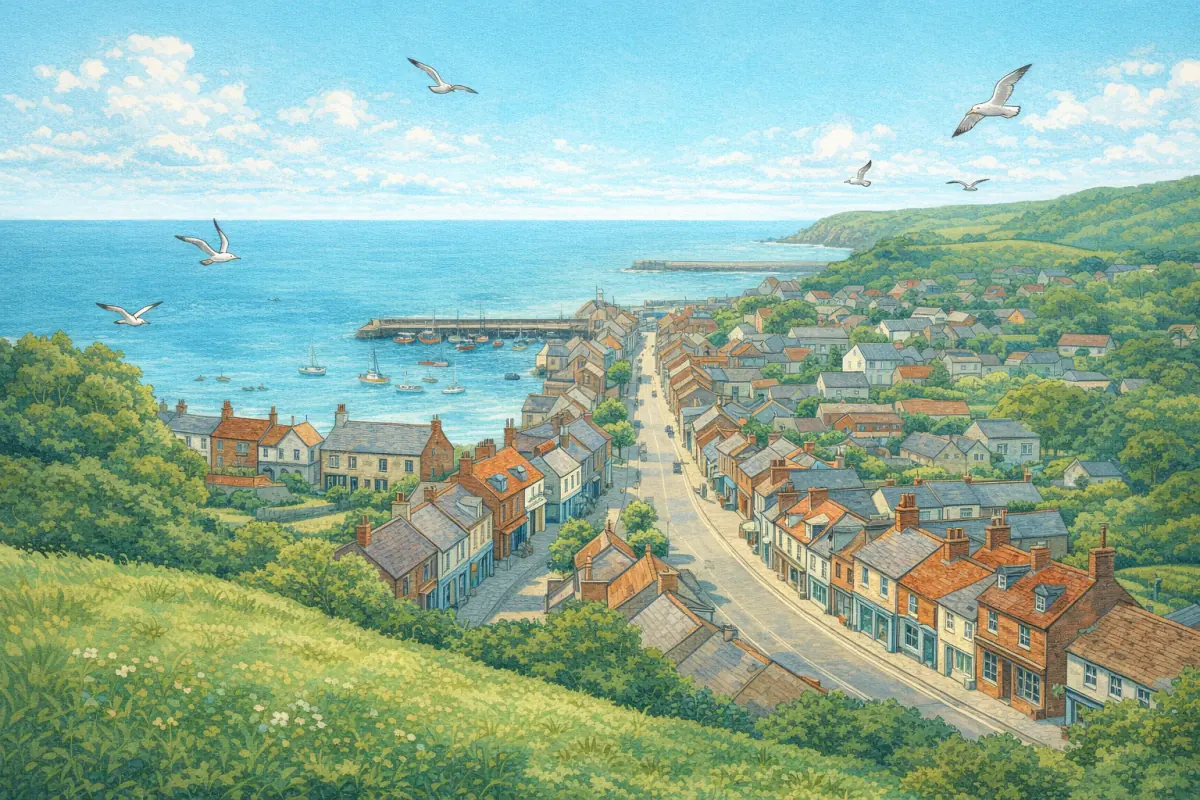
Kingsbay from the hill: the main street goes down to the harbour and the sea.

어디서, 어떻게, 몇 시에 만날지 알려 주는 짧은 이메일: “go”, “turn”, “walk”로 길 안내하기, “next to”와 “opposite”, 모범 이메일, 자주 하는 실수. A2 Key와 A2 Key for Schools 대비, 11–15세.

친구에게 영어로 만날 장소를 알려 줄 때는 세 가지를 순서대로 말해요. 장소(“Let’s meet outside the cinema”), 가는 방법(“Take the bus to the station, then turn left”), 시간(“See you at 2.30!”)이에요. 길 안내는 문장마다 동사로 시작하고, 마지막에는 “opposite the café”처럼 장소를 딱 정해 주는 표현으로 끝내세요. A2 Key와 A2 Key for Schools는 읽기·쓰기 시험 Part 6에서 이런 글쓰기를 평가해요. 25단어 이상의 짧은 이메일이에요. 이 글은 A2 수준, 11–15세 정도의 학생을 위한 거예요.

이 글이 맞는 분

  • A2 Key나 A2 Key for Schools를 준비하는 11–15세 정도의 학생.
  • “bank”, “station” 같은 단어는 알지만, 누가 길을 물으면 말문이 막히는 학생.
  • 부모님께: 영어를 잘하지 못해도 도울 수 있어요. 아이에게 현관문에서 근처 가게까지 영어로 길을 안내해 달라고 한 뒤, 지도로 함께 경로를 확인해 보세요.
  • 아직 이른 경우: 30–40단어짜리 짧은 글이 아직 낯설다면 “for sale” 판매 글 가이드(A2)부터 시작하세요.
  • 너무 쉬운 경우: 길 안내와 짧은 이메일이 이미 쉽다면 B1으로 넘어가세요. 예를 들어 주어진 첫 문장으로 이야기를 쓰는 과제가 있어요.

예시 학습 페이지 열기

예시 학습 페이지 열기

단어 카드

turn

to start to go left or right

Turn right at the traffic lights for the police station.

left

the opposite of right

Turn left into Harbour Road.

right

the opposite of left

The bank is on your right.

straight on

don't turn; keep going the same way

Go straight on to the traffic lights.

past

go by a place without stopping

Walk past the police station.

along

from one end of a street or road to the other end

Walk along King Street.

across

from one side to the other side

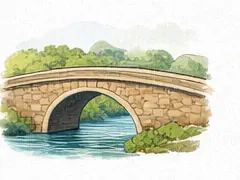
Go across the bridge.

near

not far

The museum is near the café.

대화

Narrator Why was the microphone box empty? The shop sent the microphone in a second parcel, and that parcel went to the wrong address.

Kai It was my mistake. I typed Harbour Road, not Harbour Park!

Amara So where is it now? Harbour Road is really long.

Zara The app says the driver delivered it last Saturday. That was a week ago!

Narrator "Ask the driver," said the woman at the post office. "He always has lunch at the bus station on Saturdays."

Theo The bus station? Easy. Turn right and walk straight on to the top of King Street.

Zara Kai, film everything on the way. This can be our Young Person's Guide to Kingsbay!

Kai Film the town? Sure. But I'm staying behind the camera.

문장 형태

Example email

Hi Jonah, Let's meet at the harbour café on Saturday. Take the bus to the bus station, then walk along King Street and turn left at the traffic lights. The café is on the corner. See you at 11.00! Zara

The example has 40 words and says all three things: where (the harbour café), how (bus, walk, turn left) and what time (11.00).

  • Hi Jonah,
  • Let's meet at ...
  • Take the bus to ...
  • turn left at ...
  • See you at ...!

추가 연습

The town plan

Kingsbay from the hill: the main street goes down to the harbour and the sea.

Walk down King Street from the bus station to the harbour.

On your left, you pass the post office, then Market Square, then the hotel.

On your right, you pass the bank, then the library, then the car park.

The bank is opposite the post office. The library is opposite Market Square. The car park is opposite the hotel. There is a bus stop outside the library.

At the end of King Street there are traffic lights. Here King Street meets Harbour Road.

Turn left into Harbour Road: the harbour café is on the corner, and the museum is next to the café.

Turn right into Harbour Road: the police station is on the corner. Walk past it and go across the bridge. After the bridge, the train station is on your left and the hospital is on your right.

street

a road in a town, with houses or shops

King Street goes down to the harbour.

road

a way for cars and buses between places

Harbour Road goes along the harbour.

squaresquare

an open place in a town, with buildings round it

Market Square is on the left of King Street.

corner

the place where two streets meet

The café is on the corner of Harbour Road.

bridgebridge

you walk or drive over it to cross a river

Theo filmed the boats from the bridge.

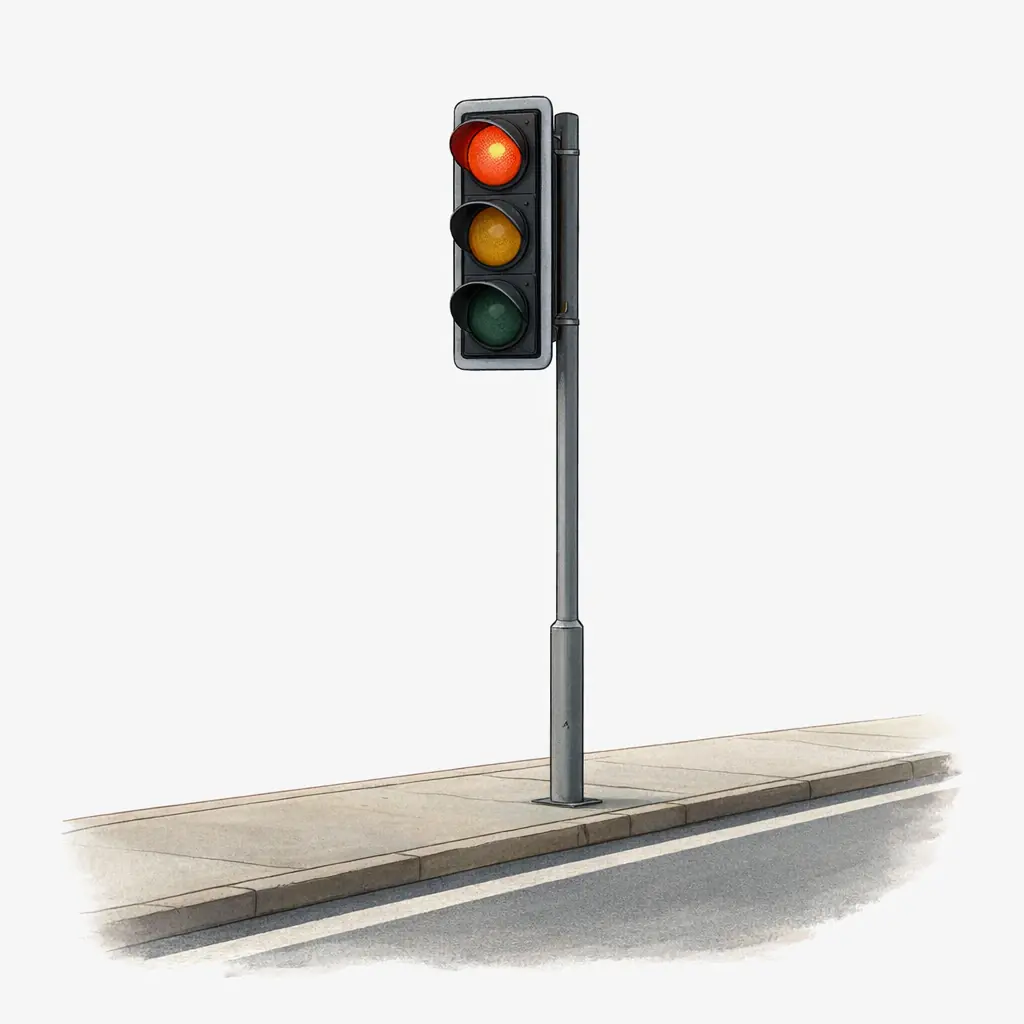
traffic lighttraffic light

red, yellow and green lights that tell cars when to stop and go

Turn left at the traffic lights.

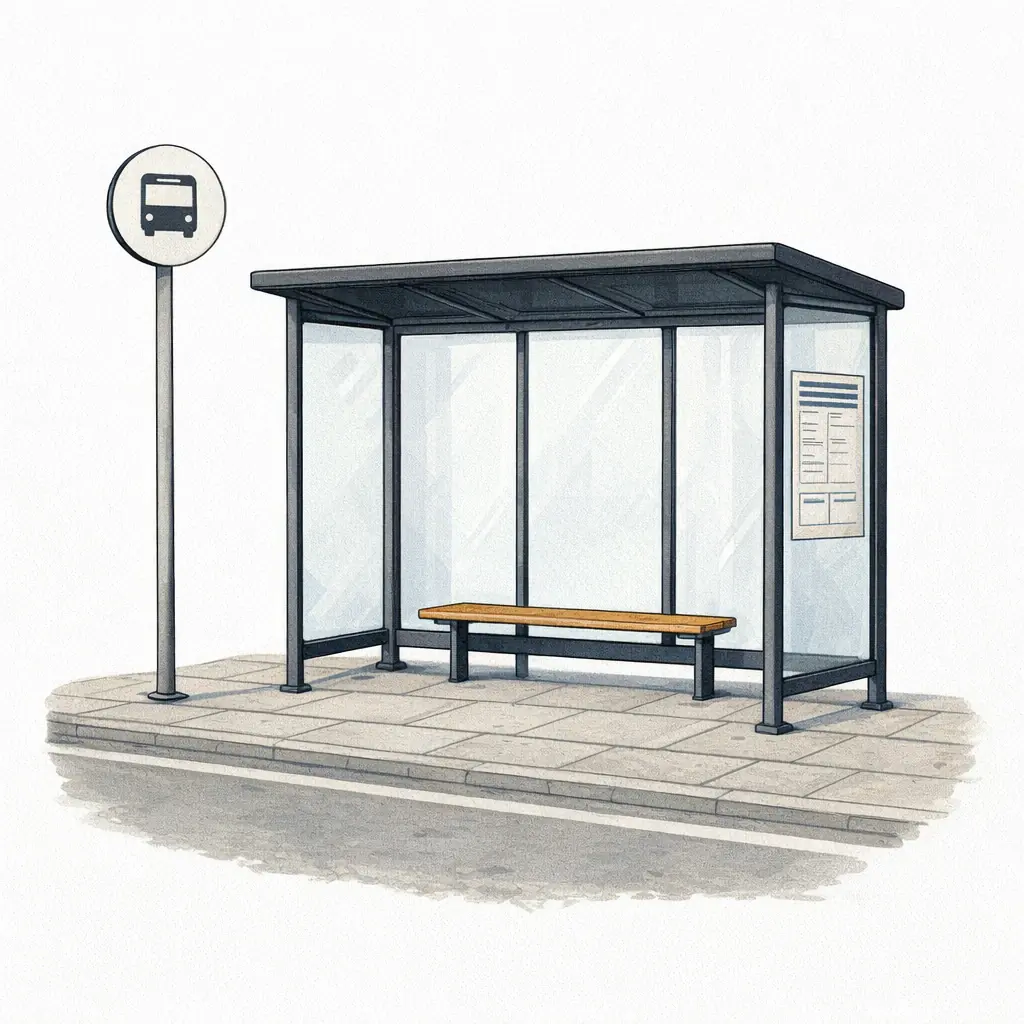
bus stopbus stop

a place in the street where the bus stops for people

There is a bus stop outside the library.

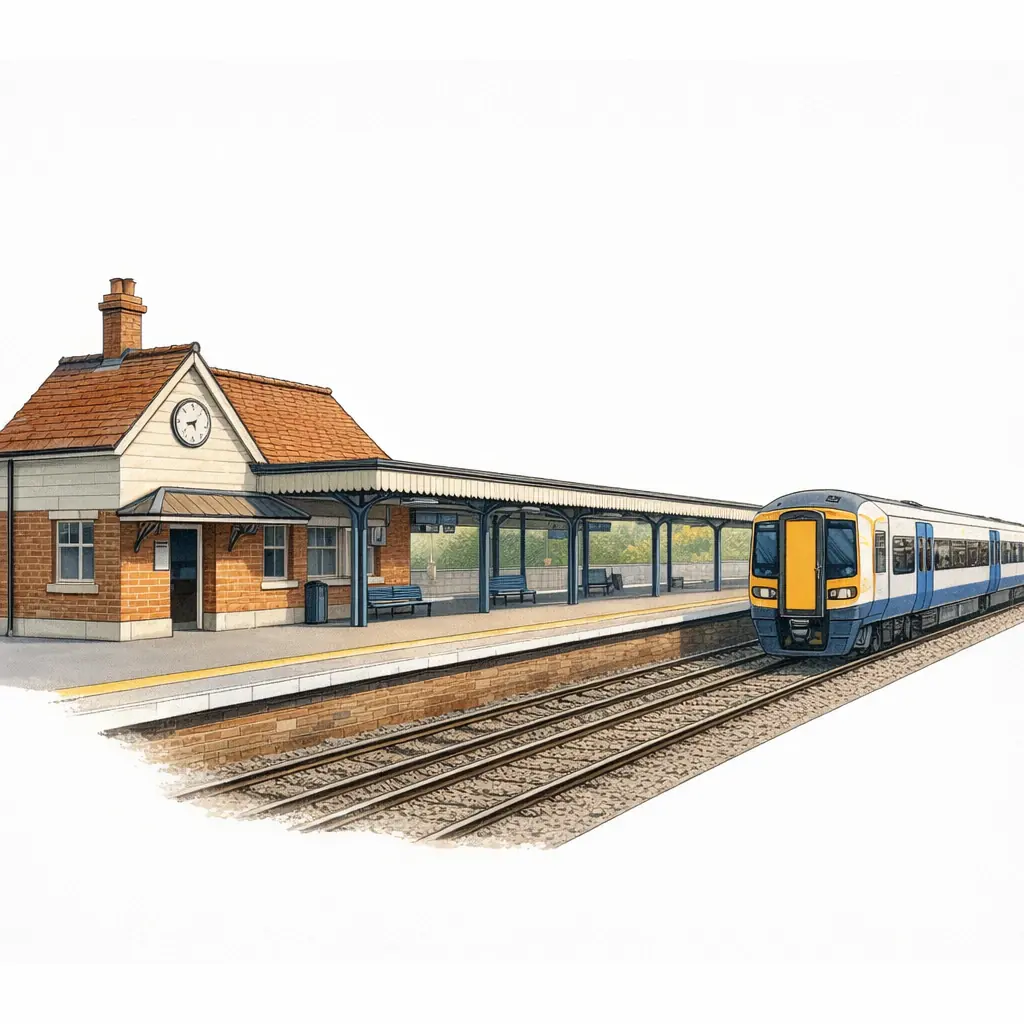
stationstation

a building where trains stop; people also say train station

The train station is after the bridge.

The direction game

Kingsbay from the hill: the main street goes down to the harbour and the sea.

Walk down King Street from the bus station to the harbour.

On your left, you pass the post office, then Market Square, then the hotel.

On your right, you pass the bank, then the library, then the car park.

The bank is opposite the post office. The library is opposite Market Square. The car park is opposite the hotel. There is a bus stop outside the library.

At the end of King Street there are traffic lights. Here King Street meets Harbour Road.

Turn left into Harbour Road: the harbour café is on the corner, and the museum is next to the café.

Turn right into Harbour Road: the police station is on the corner. Walk past it and go across the bridge. After the bridge, the train station is on your left and the hospital is on your right.

turn

to start to go left or right

Turn right at the traffic lights for the police station.

left

the opposite of right

Turn left into Harbour Road.

right

the opposite of left

The bank is on your right.

straight on

don't turn; keep going the same way

Go straight on to the traffic lights.

past

go by a place without stopping

Walk past the police station.

along

from one end of a street or road to the other end

Walk along King Street.

across

from one side to the other side

Go across the bridge.

near

not far

The museum is near the café.

Excuse me, how do I get to the museum?

Go straight on along King Street. Turn left at the traffic lights. The museum is next to the café.

Start each direction with a verb: Go, Turn, Walk. Then say where the place is.

  • Go straight on.
  • Turn left / right at ...
  • Walk past ...
  • Go across ...
  • It's on your left / right.
  • It's next to / opposite ...

Plan your email

Your English friend Jonah is visiting Kingsbay on Saturday. You want to meet in town.

Write an email to Jonah. In your email:

• say where to meet

• say how to get there

• say what time to meet.

Write 25 words or more.

What three things must you say?

Where to meet, how to get there and what time to meet.

In the exam you get marks for all three things. Plan each one before you write.

  • where
  • how
  • what time
  • 25 words or more

1 Where to meet

  • Let's meet at ...
  • Meet me outside ...

2 How to get there

  • Take the bus to ...
  • Walk along ... and turn left / right at ...
  • It's next to / opposite ...

3 What time

  • See you at 11.00!
  • Let's meet at half past ten.
이 단원 배우기
어떻게 배우고 싶나요?

시험에 나오는 약속 이메일

읽기·쓰기 시험 Part 6에서는 짧은 상황과 세 가지 내용이 나오고, 이 세 가지를 25단어 이상으로 모두 써야 해요. 같은 형식으로 저희가 만든 과제예요.

  • “Your English friend Alex is visiting your town on Sunday. Write an email to Alex.”
  • “Say where to meet, how to get there and what time to meet. Write 25 words or more.”

어디서: 장소를 정해 주는 표현

찾기 쉬운 장소를 고른 뒤, 어느 쪽에서 봐도 맞는 표현으로 위치를 정하세요. 한국어 조사 ‘에’, ‘에서’는 at, in, on과 하나씩 대응하지 않으니 “at the station”, “on the corner” 같은 표현은 통째로 외우세요.

  • 장소: bus station, train station, post office, bank, library, museum, police station, car park, bridge
  • next to (바로 옆): “The museum is next to the café.”
  • opposite (길 건너 맞은편): “The bank is opposite the post office.”
  • on the corner of (모퉁이에): “The café is on the corner of Park Street and Mill Road.”
  • outside, near (바깥, 가까이): “Meet me outside the station.” “It’s near the bridge.”

어떻게: 길 안내는 동사로 시작해요

교통수단을 먼저 말하고, 한 문장에 한 단계씩 순서대로, 동사로 시작하세요. 한국어는 ‘은행에서 왼쪽으로 도세요’처럼 동사가 끝에 오지만, 영어는 “Turn left at the bank.”처럼 동사가 맨 앞에 와요.

왼쪽과 오른쪽은 어느 쪽을 보고 있느냐에 따라 달라져요. 그래서 이메일에는 두 사람 모두 아는 출발점이 필요해요: “From the station, …”. 이 녹음에서는 모두 우체국에 있으니 “Turn right”가 통해요.

  • 교통수단: “Take the number 5 bus to the station.” “It’s ten minutes on foot.”
  • Go straight on (곧장 가기): “Go straight on to the traffic lights.”
  • Turn left / right (왼쪽 / 오른쪽으로 돌기): “Turn left at the traffic lights.”
  • Walk along, walk past (길을 따라 걷기, 앞을 지나가기): “Walk along Park Street, past the police station.”
  • Go across (건너가기): “Go across the bridge.”
  • 장소로 마무리: “It’s on your left, next to the café.”

Narrator "Ask the driver," said the woman at the post office. "He always has lunch at the bus station on Saturdays."

Friend The bus station? Easy. Turn right and walk straight on to the top of King Street.

모범 이메일, 한 줄씩 보기

과제에 대한 저희 답이에요. 40단어 정도예요.

  • “Hi Alex,” → 인사말.
  • “Let’s meet outside the cinema on Sunday.” → 내용 1: 어디서.
  • “Take the number 5 bus to the station. Then walk along Park Street, past the bank.” → 내용 2: 어떻게, 서로 아는 출발점에서.
  • “The cinema is on your left, opposite the café.” → 장소를 확인해 주는 표현.
  • “See you at 2.30! Jamie” → 내용 3: 몇 시에, 그리고 이름.
나에게 맞는 방법으로 이 단원 배우기

계획이 틀어졌을 때: was, were와 -ed

일이 꼬인 상황을 설명할 때는 과거 시제를 써요. “was”는 I, he, she, it과, “were”는 you, we, they와 쓰고, 규칙 동사에는 -ed를 붙여요. 의문문과 부정문에는 “did”와 동사원형을 써요: “Did you take the bus?” “I didn’t walk.”

-ed는 세 가지로 소리 나요: /t/ (walked), /d/ (played), /ɪd/ (waited). 음절이 하나 늘어나는 건 t나 d 뒤뿐이에요. “walked”를 ‘워크드’처럼 모음을 넣어 읽지 마세요. “was”, “typed”, “delivered”를 들어 보세요.

Friend 1 It was my mistake. I typed Harbour Road, not Harbour Park!

Friend 2 The app says the driver delivered it last Saturday. That was a week ago!

자주 하는 실수와 고치는 법

다 쓰고 나서 확인하세요(화살표 앞이 실수, 뒤가 고친 문장이에요). 한국어에는 관사가 없어서 “the”를 빠뜨리기 쉬워요: “Take the bus to the station.”

  • “Turn to left.” → “Turn left.”
  • “Turn left in the traffic lights.” → “Turn left at the traffic lights.”
  • “The café is in the corner.” → “The café is on the corner.”
  • “Go across the Park Street.” → “Go across Park Street.”
  • “ten minutes by foot” → “ten minutes on foot”
  • “We was late. I didn’t walked.” → “We were late. I didn’t walk.”
  • 출발점 없이 “Turn left.” → “From the station, turn left.”

10분 연습 루틴

2분 계획, 6분 쓰기, 2분 확인이에요. 부모님과 길 안내 게임도 해 보세요. 현관문에서 근처 장소까지 영어로 안내한 뒤, 지도로 경로를 확인하는 거예요.

  • 과제: “A new student wants to watch your football match on Saturday. Write an email: say where it is, how to get there and what time it starts.”
  • 확인: 어디서, 어떻게, 몇 시에가 다 있나요? 길 안내가 모두 동사로 시작하나요? 25단어 이상인가요?

다음 단계

A2 Key 듣기 Part 5에서는 다섯 사람이나 물건을 장소 같은 여덟 개 선택지 목록과 연결해요. 처음 들린 장소를 바로 고르지 마세요: “I wanted to go to the museum, but it was closed, so I went to the library.”

다음은 짝과 교통수단에 대해 말하기, 그리고 과거 시제로 그림 세 장짜리 이야기 쓰기예요.

자주 묻는 질문

영어로 길 안내는 어떻게 하나요?

단계마다 동사(Go, Turn, Walk)로 시작해서 순서대로 말하고, 마지막에 장소가 어디 있는지 말해요: “Turn left at the traffic lights. The café is on your right.”

“opposite”와 “in front of”는 어떻게 다른가요?

“opposite”는 길 건너 맞은편이에요: “The bank is opposite the school.” “in front of”는 같은 쪽, 바로 앞이에요: “Meet me in front of the school.” 한국어의 ‘맞은편’, ‘건너편’은 대개 “opposite”예요.

“on foot”인가요, “by foot”인가요?

보통 “on foot”을 써요: “It’s ten minutes on foot.” 다른 교통수단은 “the” 없이 “by”를 써요: by bus, by train, by bike.

Flalingo는 A2 Key와 B1 Preliminary를 제공하는 Cambridge English와 제휴 관계가 없으며, 해당 기관의 승인을 받은 서비스가 아닙니다.

이 단원 배우기
어떻게 배우고 싶나요?

다음에는 무엇을 할까요?

라이브 선생님과 1:1 수업

Flalingo에서 청소년은 이런 단원을 라이브 선생님과 1:1로, 자기 속도에 맞춰 공부합니다.

무료 체험 수업 예약하기