
 break
 repair
 comfortable
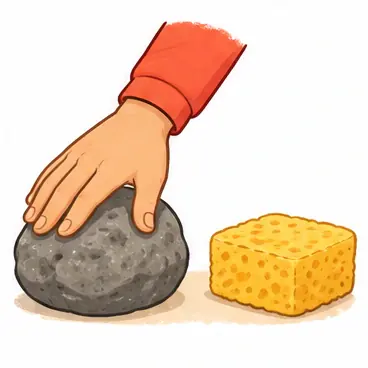 hard
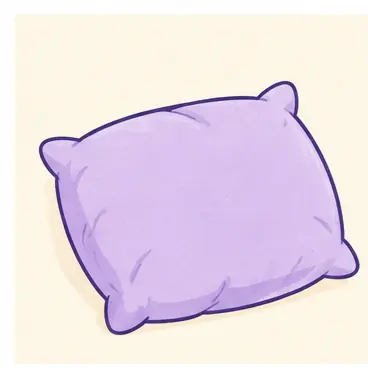 soft
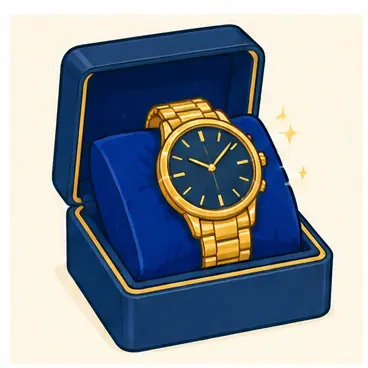 expensive
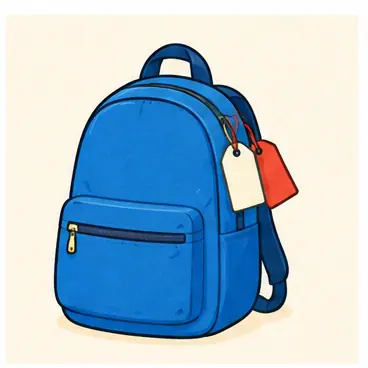 cheap
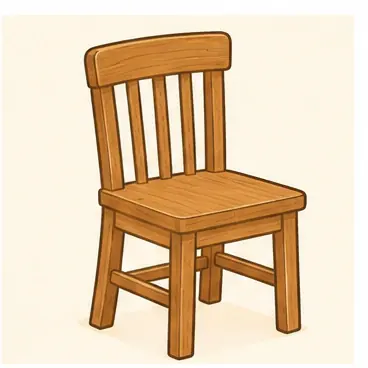 wooden
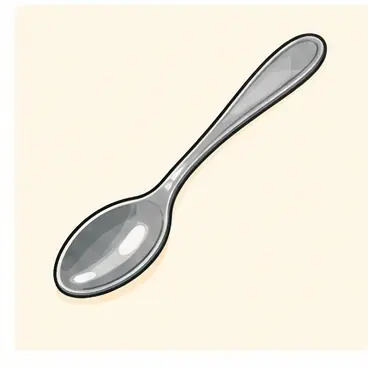 metal
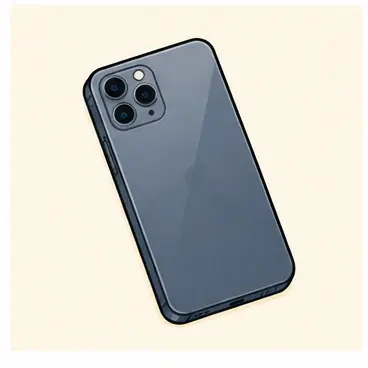 modern
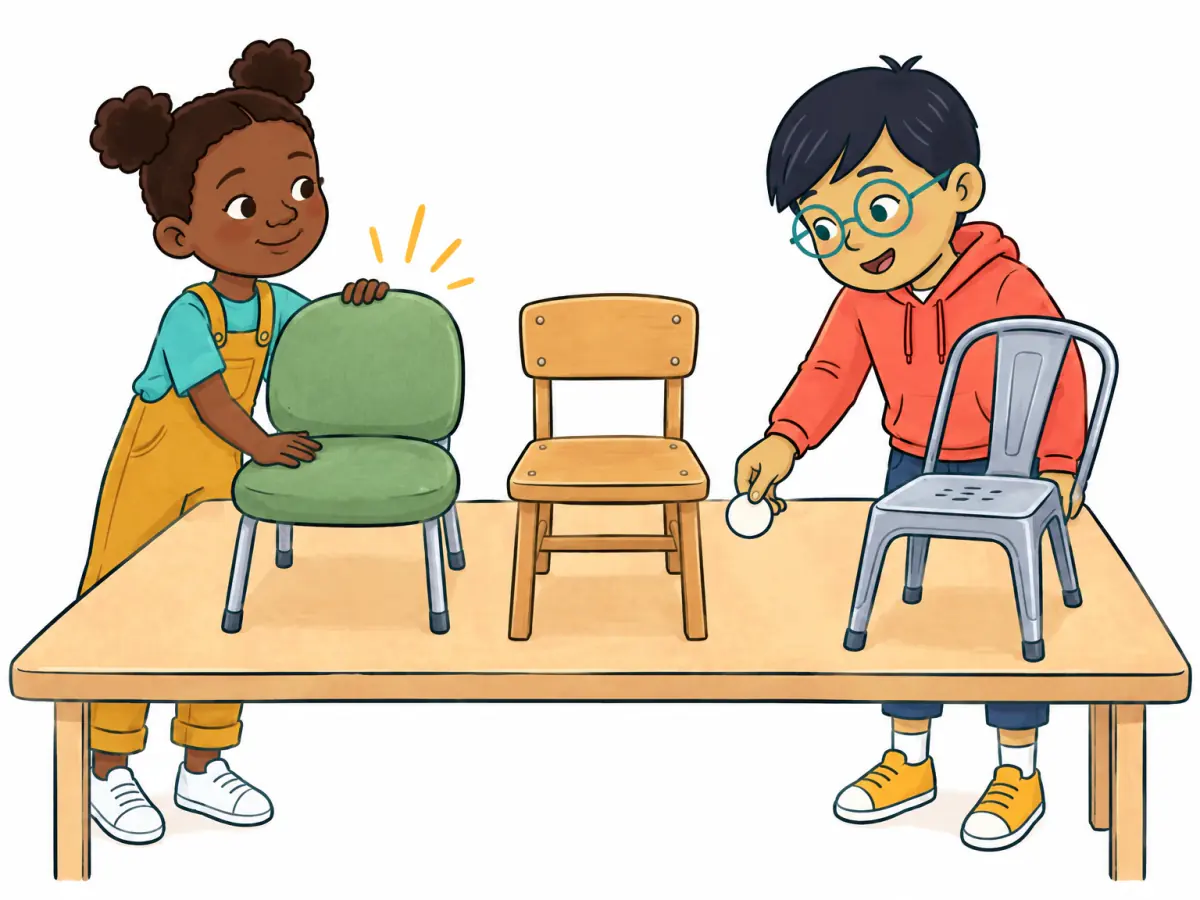
묘사하는 단어: 재료와 가격
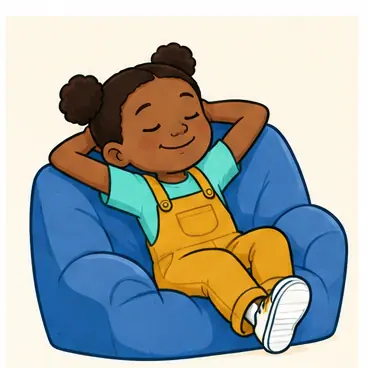
비교하기 전에 아이에게는 물건을 묘사하는 단어가 필요하고, 그중 많은 단어가 반대말 짝입니다. wooden은 ‘나무로 만든’이라는 뜻이고, metal도 물건을 꾸미는 말로 쓸 수 있습니다: “a metal chair”. comfortable은 보통 COMF-ta-ble처럼 세 음절로 발음합니다.
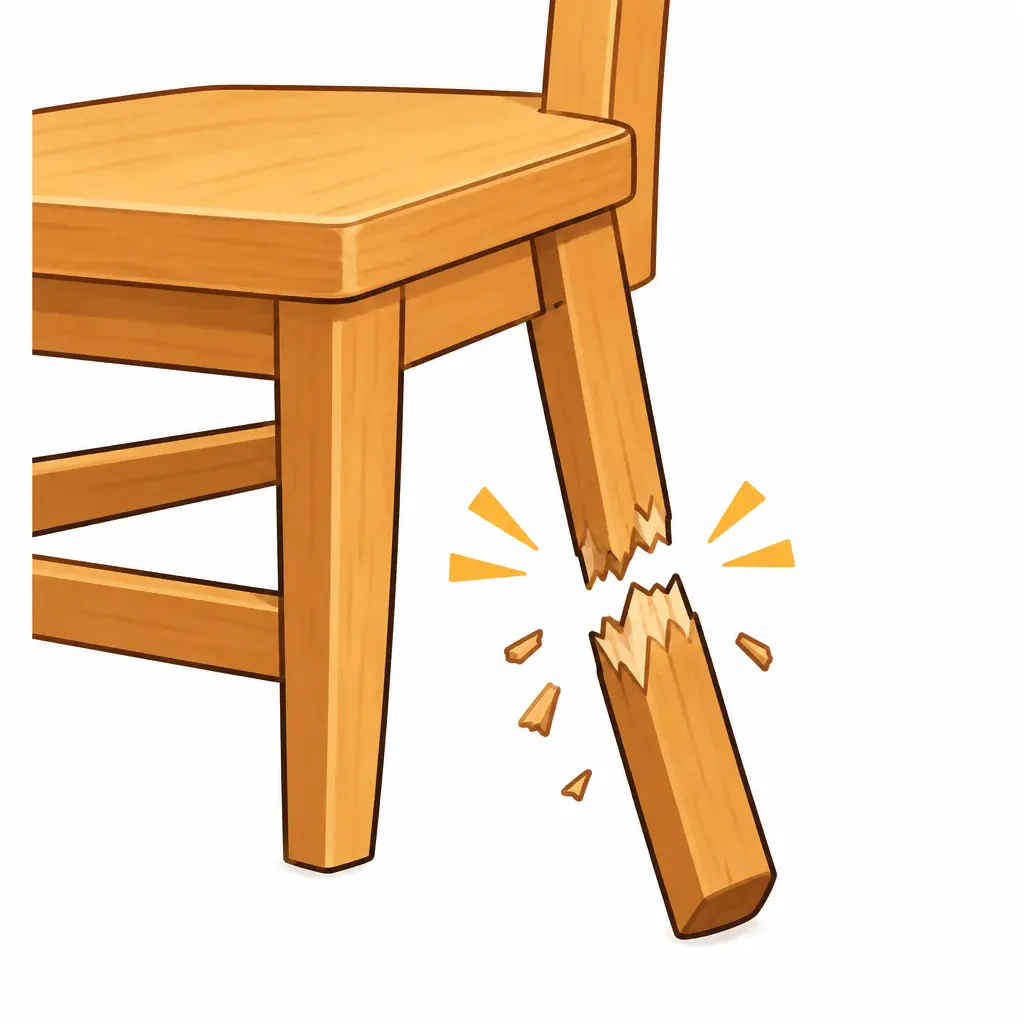
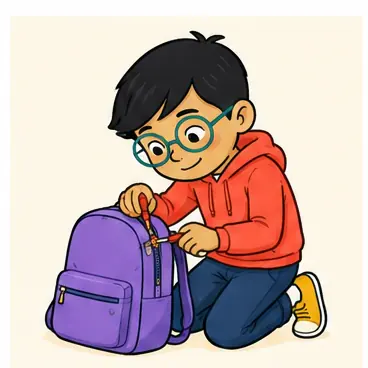
break와 repair는 이야기에 유용한 동사입니다. 무언가가 망가지면(break) 누군가가 고칩니다(repair, 곧 fix).
- 반대말: hard (딱딱한) – soft (부드러운), cheap (싼) – expensive (비싼), modern (현대적인) – old (오래된)
- 재료: wooden (나무로 된), metal (금속), plastic (플라스틱), fabric (천)
두 가지 비교하기: -er, more, better, worse
한국어는 모든 형용사 앞에 ‘더’를 붙입니다: 더 싼, 더 비싼. 그래서 한국 아이들은 “more cheaper”나 “more cheap”이라고 말하기 쉽습니다. 영어에서 짧은 단어는 more 없이 -er을 붙입니다: cheaper, harder, softer. 철자가 바뀌는 단어도 있습니다: big은 bigger, safe는 safer가 됩니다. 긴 단어는 more를 씁니다: more expensive, more comfortable, more modern. 비교하는 상대는 than으로 말합니다: “The metal chair is harder than the sofa.”
good과 bad는 불규칙입니다: “This design is better.” “That design is worse.” “more better”라고는 절대 말하지 않습니다.
여럿 중 하나 고르기: the cheapest, the most comfortable, the best
셋 이상일 때 영어는 the와 -est, 또는 the와 most로 하나를 고릅니다: the cheapest, the most expensive. 한국어의 ‘가장 싼’, ‘제일 싼’은 “the most cheap”이 아니라 “the cheapest”입니다. good과 bad는 완전히 바뀝니다: the best, the worst. 한국어에는 the가 없어서 빠뜨리기 쉬우니, 여기서는 꼭 넣어 주세요.
실제 질문으로 연습하세요: “Which material is the most comfortable?” “The soft fabric is the most comfortable.” 그다음 이유를 물어보세요: “The green model is the best because it is safe.”
- cheap – cheaper – the cheapest
- comfortable – more comfortable – the most comfortable
- good – better – the best
- bad – worse – the worst
이야기를 순서대로 말하기
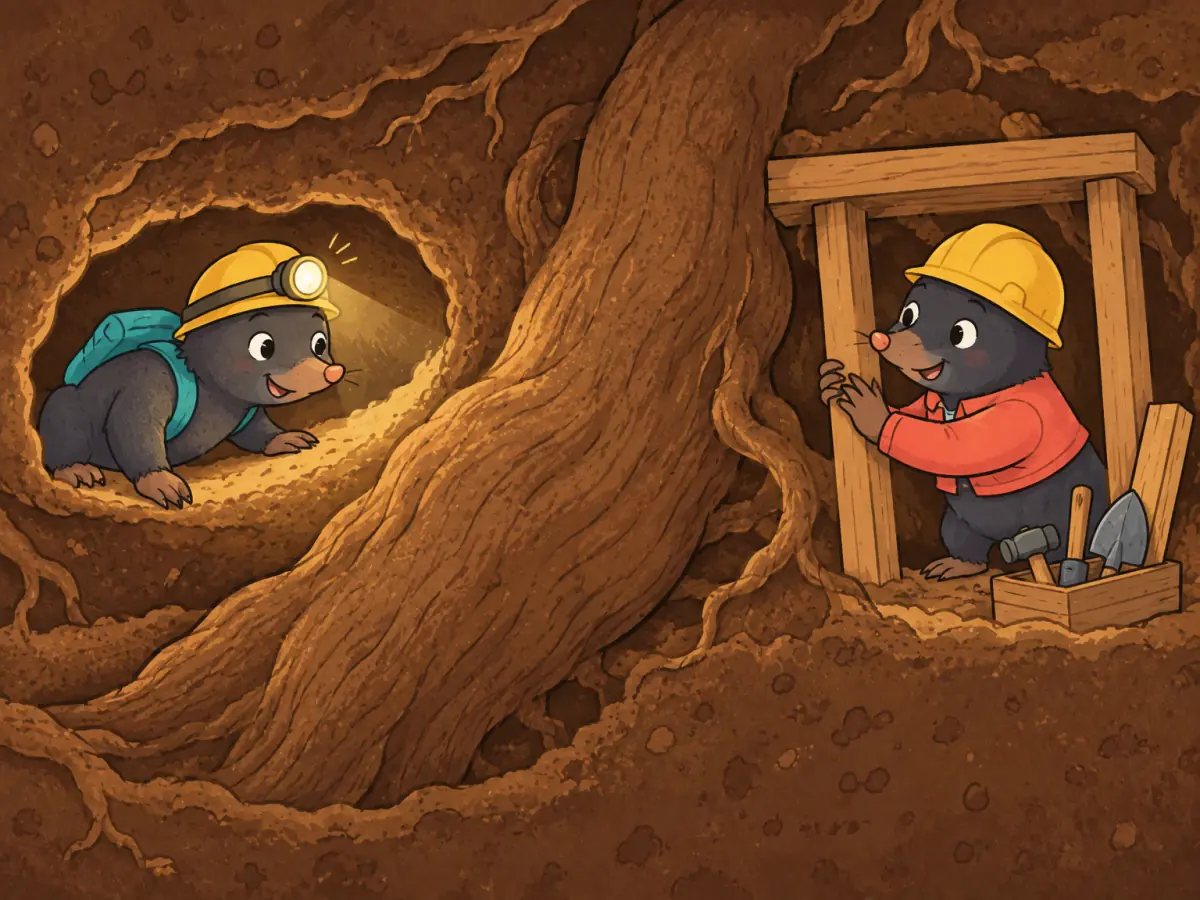
많은 우화가 서두른 계획과 신중한 계획을 비교합니다. 이 녹음에서는 두 아이가 땅속에 방을 파는 두더지 Pip과 Sol의 우화를 다시 이야기합니다. 이야기를 순서대로 이어 주는 질문은 What happened first?와 What did Pip and Sol do next?입니다. 과거형 동사도 들어 보세요. blocked와 tested는 -ed를 붙이고, began과 made는 불규칙입니다.
Nia What happened first?
Leo Two moles began to dig a reading room before winter.
Leo What blocked their tunnel?
Nia A big, hard root blocked it.
Nia What did Pip and Sol do next?
Leo Sol made a wooden support, and Pip tested a safer route. Together, they finished a comfortable room.
mouse와 mice로 짧은 우화 쓰기
우화는 보통 동물이 나오는 아주 짧은 이야기로, moral이라고 부르는 교훈으로 끝납니다. 네 문장이면 충분합니다: 등장인물, 문제, 한 일, 교훈. 등장인물은 흔히 generous(기꺼이 나누는)나 lazy(일하기 싫어하는)로 묘사됩니다.
동물 이야기에는 -s를 붙이지 않는 불규칙 복수가 필요합니다: one mouse, three mice; one foot, two feet; one child, two children. 한국어는 ‘쥐 세 마리’처럼 숫자가 있어도 명사 모양이 바뀌지 않지만, 영어는 숫자 뒤에 반드시 복수형을 씁니다: “three mice”. 따라 쓰고 바꿔 볼 수 있는 예시입니다:
- “Three mice needed a warm home before winter.”
- “The youngest mouse chose a paper bag because it was the cheapest.”
- “The bag broke in the rain, so they built a wooden house.”
- “The moral: the cheapest choice is not always the best.”
철자 팁: 부드러운 c와 g
c가 e, i, y 앞에 오면 거의 항상 ‘ㅅ’ 소리가 납니다. 외래어 시티(city), 댄스(dance), 아이스(ice)를 떠올리면 쉽습니다. 같은 글자 앞에서 g는 흔히 ‘ㅈ’에 가까운 소리가 납니다: 페이지(page), 스테이지(stage), 케이지(cage)처럼요. a, o, u 앞에서는 두 글자 모두 딱딱한 소리입니다: cat, game. g에는 get, give, girl 같은 흔한 예외가 있습니다.
- Soft c: city, ice, dance, rice
- Soft g: cage, page, giraffe, stage
흔한 실수와 쉬운 해결법
A2 단계에서는 자연스러운 실수입니다. 바른 문장으로 다시 말해 주고 계속하세요.
- “This chair is more cheaper.”: -er과 more 중 하나만 씁니다: “This chair is cheaper.”
- “The most good model.”: good은 불규칙입니다: “the best model”.
- “This design is worst.”: 두 가지는 worse, 여럿 중에서는 the worst입니다.
- “Three mouses ran home.”: “Three mice ran home.” “childrens”가 아니라 children, “foots”가 아니라 feet입니다.
- “Harder then the sofa.”: 비교할 때는 then이 아니라 than입니다.
집에서 하는 놀이: 우리 집 최고의 자리
집에서 앉을 곳 세 군데를 고르세요: 식탁 의자, 스툴, 소파. 아이가 하나씩 앉아 보고 비교합니다: “The stool is harder than the sofa.” “The sofa is the most comfortable.” 가짜 가격표를 붙이고 “Which seat is the cheapest?”라고 물은 뒤, 일부러 틀린 말을 해서 아이가 고쳐 주게 하세요.
마지막으로 자리에 관한 네 문장 우화를 지어 보세요: “Two children and three mice wanted the softest seat.”
다음 단계
비교가 쉬워지면 아이는 Which…?와 Why…? 질문에 이유를 넣어 대답할 수 있습니다. 그다음에는 will로 예측하기(“I think it will rain.”)와 메모를 한 단락으로 바꾸기가 이어집니다.