
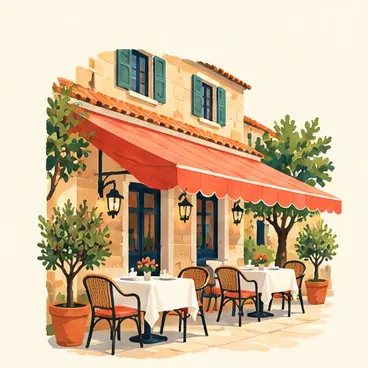
 a restaurant
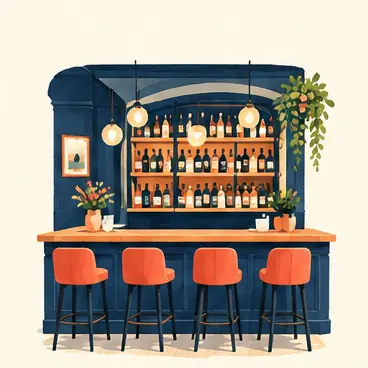 a bar
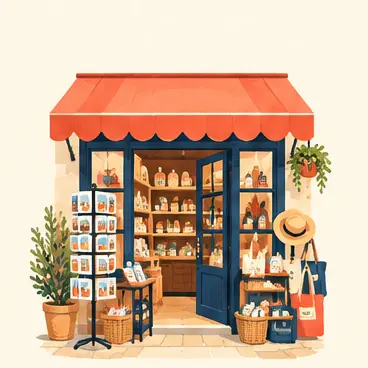 a gift shop
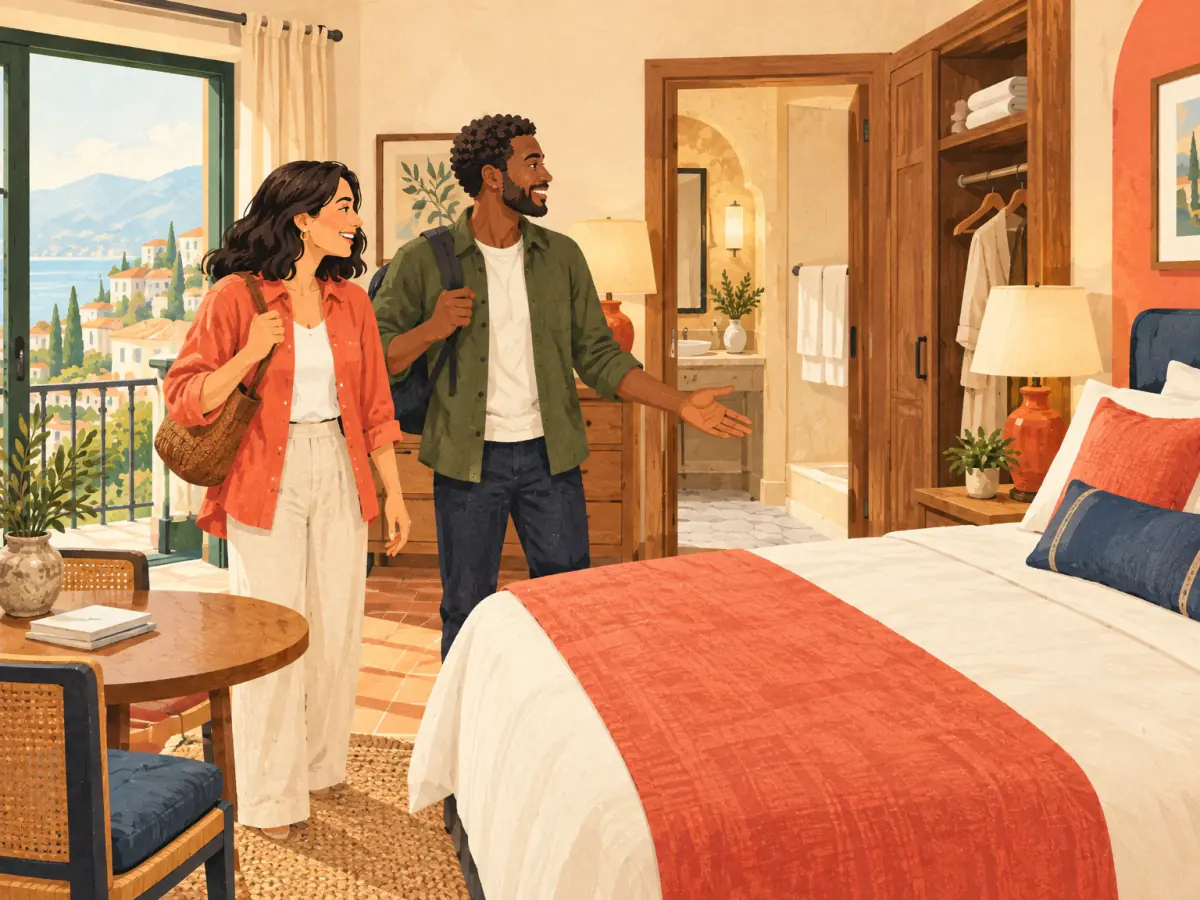
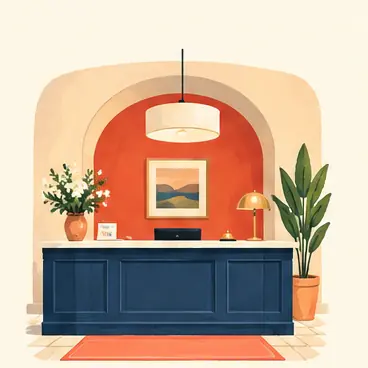 reception

was와 were: am, is, are의 과거형
be 동사의 과거형은 두 가지뿐이에요. I, he, she, it과 하나인 것에는 was, you, we, they와 둘 이상인 것에는 were를 써요. you는 한 사람에게 말할 때도 항상 were예요.
한국어는 “어디 있었어요?”처럼 주어를 자주 빼지만, 영어는 주어가 꼭 필요해요. “Where was it?”이라고 하고, 대답도 “It was on the table.”처럼 it을 넣어요.
- I am → I was: “I was at reception.” (프런트에 있었어요.)
- he / she / it is → was: “It was on the table.” (테이블 위에 있었어요.)
- you / we / they are → were: “We were in London.” (우리는 런던에 있었어요.)
- 하나 또는 여럿: “My key was in my bag.” “My keys were in my bag.” (열쇠가 하나면 was, 여러 개면 were)
의문문, 부정문, 짧은 대답
질문할 때는 was나 were를 주어 앞에 둬요. 부정문은 wasn’t, weren’t라고 해요. 짧게 대답할 때는 was나 were를 반복해요.
- “Where was the key last night?” (어젯밤에 열쇠가 어디 있었어요?) “Where were you at six?” (6시에 어디 있었어요?)
- “Was your bag in the room?” – “No, it wasn’t. It was at reception.” (가방이 방에 있었어요? – 아니요. 프런트에 있었어요.)
- “Were you on the train?” – “Yes, I was.” (기차에 타고 있었어요? – 네.)
- “We weren’t at the hotel yesterday.” (어제 우리는 호텔에 없었어요.)
in, on, under, at: 어디에 있었나
위 카드에서 in, on, under와 몇 가지 호텔 장소를 들을 수 있어요. 두 장소를 함께 말할 때 한국어는 큰 곳부터 말하지만(바에 있는 테이블 위에), 영어는 작은 곳부터 말해요. “on the table in the bar”.
- in = 안에: “The towels were in the cupboard.” (수건은 수납장 안에 있었어요.)
- on = 표면 위에: “My phone was on the floor.” (휴대폰이 바닥에 있었어요.)
- under = 아래에: “The remote control was under the pillow.” (리모컨이 베개 밑에 있었어요.)
- at = 특정 지점이나 서비스 장소: “It was at reception.” (프런트에 있었어요.) “I was at home.” (집에 있었어요.)
호텔과 일상의 장소 단어
물건이 없어졌을 때 가장 자주 나오는 장소들이에요.
- 호텔: reception (프런트), a restaurant, a bar, a gift shop (기념품 가게), a gym (헬스장), a swimming pool (수영장), the lift (엘리베이터, 미국식 elevator), the car park (주차장, 미국식 parking lot)
- 객실: a bed (침대), a pillow (베개), a table (테이블), a cupboard (수납장), the bathroom (욕실)
- 하루: at home (집에), at work (직장에), at university (대학에), in bed (침대에 누워), in the kitchen (부엌에)
- 이동: on a bus, on a train, on a plane (버스, 기차, 비행기 안에), 하지만 in a car, in a taxi (자동차, 택시 안에)
- “at home”, “at work”, “in bed”에는 the를 붙이지 않아요. “I was in bed at ten.” (10시에 자고 있었어요.)
그때와 지금: was에서 is로
last night(어젯밤), yesterday(어제), at six(6시에)는 was, were와 함께 쓰고, now(지금)는 is, are와 함께 써요. 다음 질문은 지금 일어나는 일을 묻기 때문에 -ing를 자주 써요.
- 그때: “It was on the table last night.” (어젯밤에는 테이블 위에 있었어요.)
- 지금: “It isn’t there now.” (지금은 거기 없어요.) “Where is it now?” (지금은 어디 있어요?)
- “Who’s sitting there now?” – “A guest in a blue jacket.” (지금 거기 누가 앉아 있어요? – 파란 재킷을 입은 손님이요.)
- 지금 거기 있는 것: “There’s a guest at the table.” (테이블에 손님이 있어요.) “There aren’t any keys at reception.” (프런트에 열쇠가 하나도 없어요.)
- 다음 행동: “Let’s ask him.” (그 사람에게 물어봐요.)
호텔에서 없어진 열쇠
호텔에서 두 사람이 손님의 열쇠를 찾고 있어요. isn’t(지금), was(어젯밤), “Who’s”(who is의 줄임말)를 잘 들어 보세요. 그다음 열쇠 대신 내 휴대폰으로 바꿔서 다시 말해 보세요.
Owen The guest's key isn't at reception now.
Maya Where was it last night?
Owen It was on the table in the bar.
Maya Who's sitting there now?
Owen A guest in a blue jacket.
Maya Let's ask him.
자주 하는 실수
모두 쉽게 고칠 수 있어요.
- “You was at home.” you에는 항상 were를 써요. “You were at home.”
- “Where you were?” 질문에서는 were가 you보다 먼저 와요. “Where were you?”
- “Did you were at work?” was와 were는 did와 함께 쓰지 않아요. “Were you at work?”
- “Where was?” 주어를 빼면 안 돼요. “Where was it?”
- “The keys was at reception.” 여러 개면 were예요. “The keys were at reception.”
하루 10분 연습법
모든 문장을 소리 내어 말하고, 매일 조금씩 연습하세요.
- 2분: 대화를 재생하고, 한 문장마다 멈춰서 따라 말하세요.
- 2분: 어제 세 시간대에 어디 있었는지 말해 보세요. “At eight I was at home. At ten I was on a bus.”
- 3분: 열쇠와 휴대폰 사진을 찍고 자리를 옮긴 다음 비교해 보세요. “My phone was on the table. Now it’s under the pillow.”
- 3분: 누군가에게 “Where were you last night?”라고 묻고, were로 질문을 두 개 더 해 보세요.
다음 단계
다음에는 다른 동사의 과거형을 써 보세요. 많은 동사가 -ed를 붙여요. “I stayed in a small hotel.” “We arrived at six.” 이런 동사의 질문에는 did를 쓰지만(“Did you arrive at six?”), was와 were는 절대 did와 함께 쓰지 않아요. 그다음 하루 일을 짧은 이야기로 말해 보세요.