Skip to content
Flalingo

English practice

How to describe a photo in English (B1 pre-intermediate): place, people, actions and why it matters

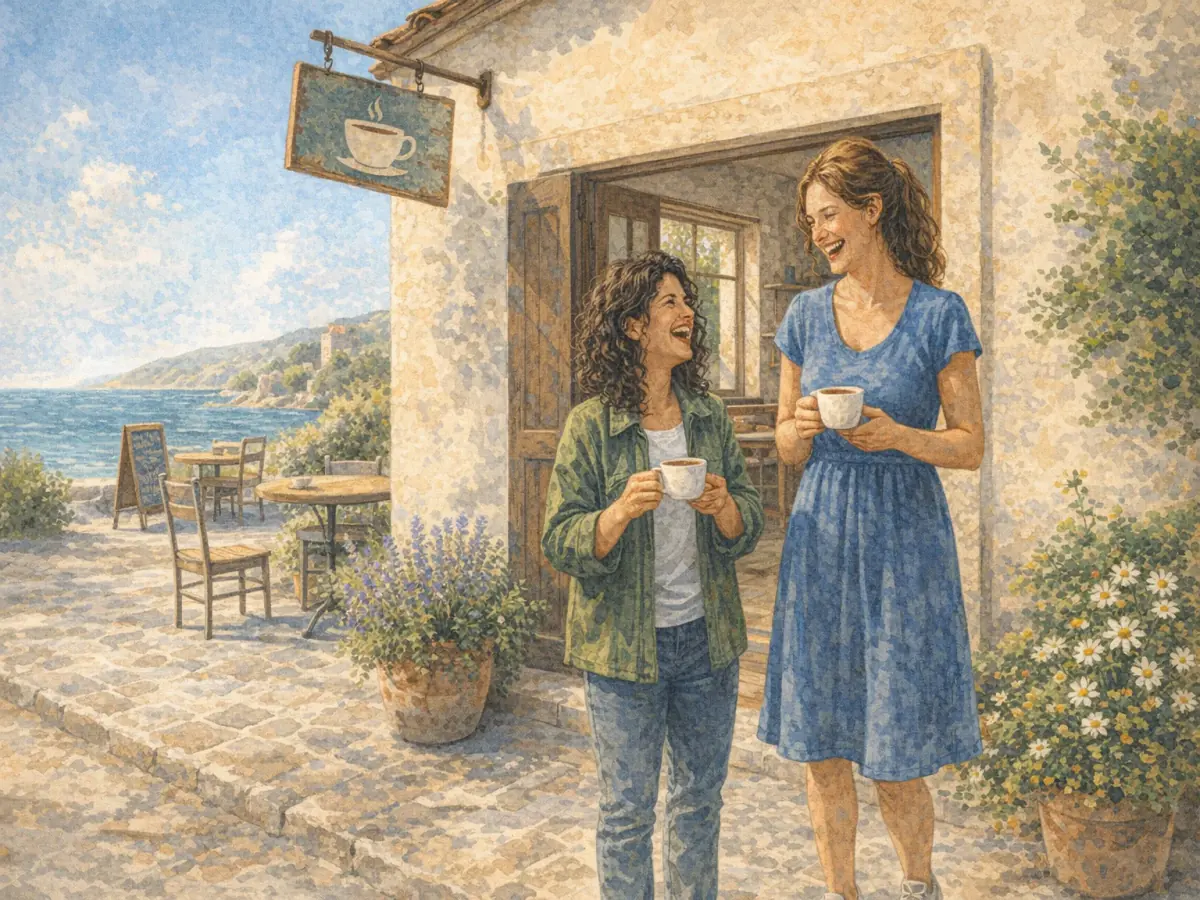
Two women laugh outside their new café on opening morning, each holding a cup of coffee, under a sign that hangs at an angle.

B1 phrases to describe a photo in English: there is/are, next to, behind and between, what people are wearing and doing, and a 100–130 word paragraph that ends with why the photo matters.

Describe a photo in four steps: say what it shows (“This photo shows my sister and her business partner outside their new café.”), where people and things are (“on the left”, “next to”), what people are wearing and doing (“She’s wearing a green jacket.”), and why the photo matters to you. Use the present continuous for the moment in the picture and the present simple for habits around it: “She usually works in the kitchen.” This is a B1 (pre-intermediate) topic; confident A2 learners can follow it too.

Who this is for

  • Adults at pre-intermediate level who can talk about themselves but go quiet when asked to describe a picture.
  • Learners preparing for a speaking test or interview with a photo task.
  • Anyone who shares photos with English-speaking friends or colleagues and wants to say more than “This is my family.”
  • Too early: if “She’s wearing…” and “There are two…” still feel new, start with the A2 articles on actions happening now and on where things are.
  • Too easy: if you can talk about a photo for two minutes and explain why it matters without notes, move on to telling a story in the past.

Open the sample pages

Open the sample pages

Word cards

inin

inside an area or enclosed space

Maya is standing in the doorway.

onon

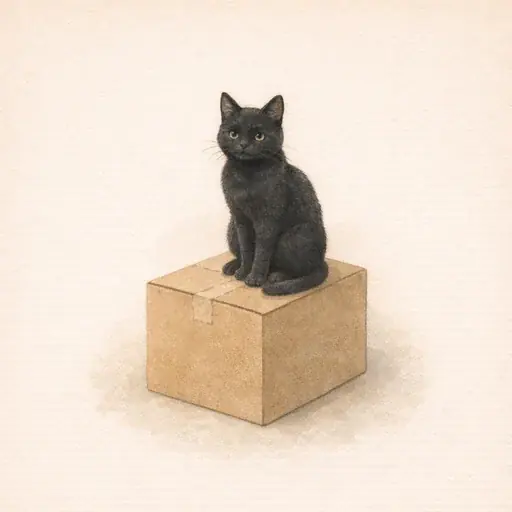
touching and supported by a surface

The camera is on the wooden table.

underunder

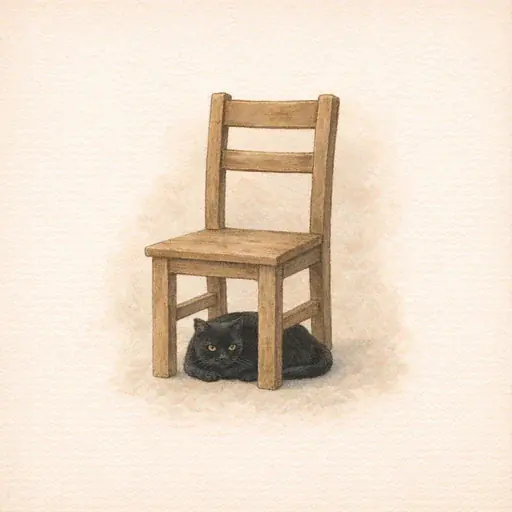
lower than and often directly below something

The black bag is under the chair.

next tonext to

at the side of and very near something or someone

Owen is standing next to the woman in the red coat.

behindbehind

at the back of something or someone

The coat is on the rail behind you.

in front ofin front of

further forward than something or someone, facing the same way

The photographer stands in front of the group.

betweenbetween

in the space that separates two people or things

Maya’s aunt can stand between Maya and Owen.

wear / carry / dress

wear takes clothes or jewellery; carry takes bags and cases; dress without an object describes someone’s clothing style

Maya is wearing a coat, carrying a case, and dressing casually this week.

a pair of

a quantity phrase used with plural clothes and footwear such as jeans, trousers, tights, shoes, and boots

I bought a pair of trousers and two pairs of socks.

Conversation

owen The archive photo shows your grandparents in their bakery in 1986. Where does the wooden chair go?

maya It goes next to the counter, not under the window. My grandfather is sitting on it in the original.

owen I’m moving it now. Am I wearing the right jacket?

maya No, you aren’t. He’s wearing a white shirt and a dark coat. The coat is on the rail behind you.

owen Got it. What are you holding in the old photo?

maya A tray of bread. I’m holding the menu at the moment, so let’s swap it.

owen Your aunt usually works at the new bakery. Is she joining us?

maya Yes. She’s parking the car, and then she can stand between us for the final picture.

Language pattern

What is different from the old photograph?

The chair is in the wrong place, Owen is wearing the wrong jacket, and Maya is holding a menu instead of a tray.

Present simple gives routine facts; present continuous and place phrases describe today’s scene.

  • usually works
  • is helping today
  • next to
  • in front of

More practice

Present continuous: now and around now

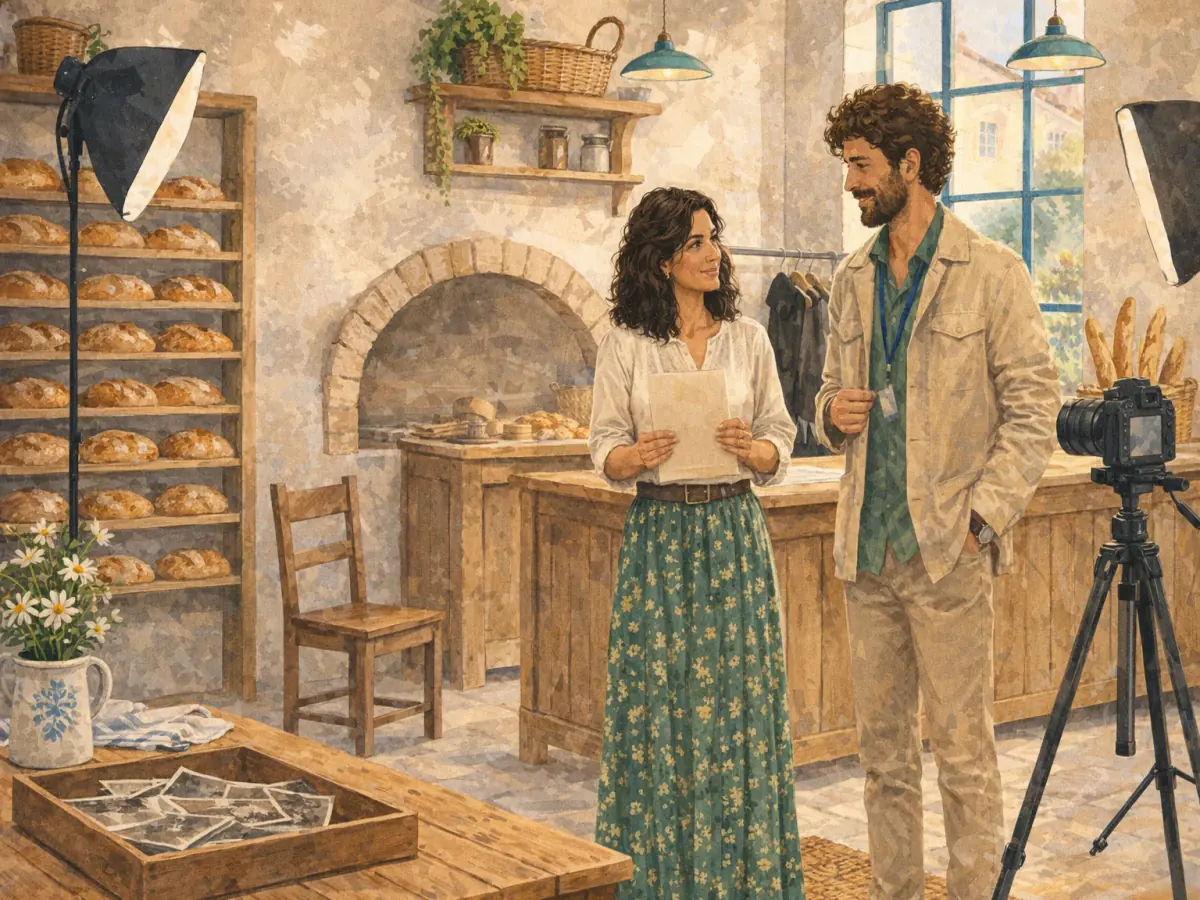
Adults arranging clothes and objects for an archive photo recreation.
am/is/are + verb-ing

Use the present continuous for an action happening now

The photographer is moving the lamp.

am not / isn’t / aren’t + verb-ing

Put not after am, is, or are for a negative action now

The models aren’t looking at the camera yet.

Am/Is/Are + subject + verb-ing?

Move am, is, or are before the subject to ask about an action now

Is Owen wearing the original coat?

present simple: routine or fact

Use the present simple for things that happen regularly or are generally true

Owen works in a studio every weekday.

present continuous: temporary or now

Use the present continuous for the current moment or a temporary situation

This month, Owen is helping with an archive project.

There is / There are

Use there is/are to say what exists in a picture before describing actions

There are two chairs next to the window.

about /ə/ · photographer /ə/

The weak sound /ə/ often appears in unstressed syllables

The photographer is standing behind the camera, and about ten people are waiting.

shirt /ɜː/ · skirt /ɜː/

The long central sound /ɜː/ is stressed in words such as shirt and skirt

The woman in the purple skirt is wearing a white shirt.

Write a concise photo description

Two women laugh outside their new café on opening morning, each holding a cup of coffee, under a sign that hangs at an angle.

This photo shows my sister Lale and her business partner, June, outside their new café in Brighton. I took it on the morning they opened last May. Lale is the short woman on the left. She has curly dark hair and she’s wearing a green jacket over a white T-shirt. June is standing next to her in a blue dress and trainers. They both look tired but excited.

Lale usually works in the kitchen, and June manages the customers. In the photo, they’re holding the first two cups of coffee and laughing because the café sign is hanging at an angle. I like this picture because they spent a year preparing the business, and it captures the exact moment their plan became real.

What information makes a photo description complete?

Identify the people, give the time and place, describe appearance and actions, explain the relationship, and say why the photo matters.

A connected paragraph guides the reader from the whole photo to specific people and its personal meaning.

  • This photo shows…
  • The person on the left…
  • is wearing…
  • At the moment…
  • I like it because…
Learn this unit
How would you like to learn?
Have an account?

A free account opens one unit for good.

Start with the whole photo, then the details

Move from big to small: what the photo shows, when and where, the people one by one, then why it matters. These openers do most of the work:

  • “This photo shows …”
  • “I took it last summer at my cousin’s wedding.”
  • “The person on the left is …”
  • “I like this picture because …”

There is, there are and where things are

Say what is in the picture with there is/are before any actions: “There are two chairs next to the window.” Then place each person or thing:

  • in: “A woman is standing in the doorway.”
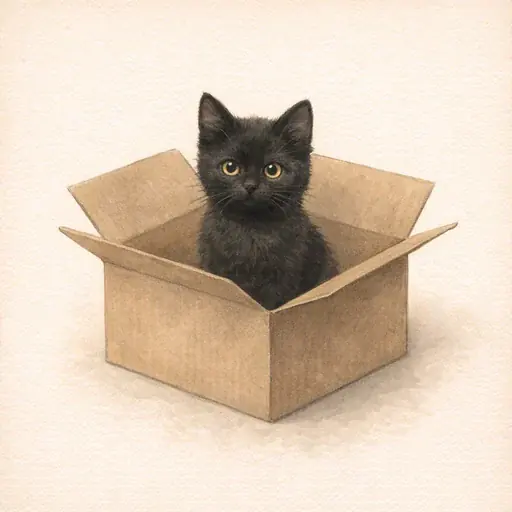
  • under: “The black bag is under the chair.”
  • next to: “He’s standing next to the woman in the red coat.”
  • in front of: “The photographer is standing in front of the group.”
  • between: “Her aunt is standing between them.”

Present continuous or present simple?

What people are doing in a photo is happening at that moment, so use am/is/are + -ing. Use the present simple for facts and habits outside it; together they show what is normal and what is special here.

  • Now: “The photographer is moving the lamp.”
  • Routine: “He works in a studio every weekday.”
  • Temporary: “This month, he’s helping with an archive project.”
  • State verbs usually stay simple: “They look tired but excited.”

A short conversation: recreating an old photo

Two people are recreating a 1986 family photo in a bakery, checking what each person held and where everyone stands. Listen for the switch from “usually works” (routine) to “is parking” (right now).

Owen Got it. What are you holding in the old photo?

Maya A tray of bread. I’m holding the menu at the moment, so let’s swap it.

Owen Your aunt usually works at the new bakery. Is she joining us?

Maya Yes. She’s parking the car, and then she can stand between us for the final picture.

Clothes: wear, carry and a pair of

Three small words cause most of the trouble with clothes:

  • wear for clothes and jewellery: “She’s wearing a green jacket over a white T-shirt.”
  • carry for bags and cases: “He’s carrying a case.”
  • dress with no object, for style: “She’s dressing casually this week.”
  • a pair of for plural clothes: “a pair of trousers”, “two pairs of socks”
  • shirt and skirt take the long sound in “her”: “The woman in the purple skirt is wearing a white shirt.”
Learn this unit your way

Write a 100–130 word photo description

A 100–130 word paragraph fits the place, the people and one reason, and takes about a minute to say. Build it in this order:

  • What and who: “This photo shows my sister Lale and her business partner, June, outside their new café.”
  • When: “I took it on the morning they opened last May.”
  • Each person, left to right: place, looks and clothes.
  • Routine against the moment: “Lale usually works in the kitchen … In the photo, they’re holding the first two cups of coffee.”
  • Why it matters: “I like this picture because … it captures the exact moment their plan became real.”

Common mistakes

Each has an easy fix:

  • “He wears a coat.” For what you see in the photo, say “He’s wearing a coat.”
  • “There is two chairs.” Plural needs “there are”.
  • “She’s wearing a bag.” Bags are carried: “She’s carrying a bag.”
  • “a trousers”, “a jean”. Say “a pair of trousers”, “jeans”.
  • Stopping after the people. Without a last sentence on why the photo matters, it reads like a list.

A 10-minute daily practice routine

Use a real photo from your phone; people you know are easier to describe.

  • 2 minutes: play the conversation, pause after each line and repeat it.
  • 3 minutes: say five sentences about your photo: there is/are, two place phrases, two -ing verbs.
  • 3 minutes: write the paragraph in the order above: 100–130 words.
  • 2 minutes: read it aloud; listen for the weak /ə/ in “photographer” and “about”.

What comes next

Once you can describe a moment, tell what happened before and after it in a short travel story. Then connect past events to now, as in a post about an experience and what it changed.

Frequently asked questions

How do you start describing a photo in English?

Start with the whole picture in one sentence: “This photo shows …” plus who and where. Then say when you took it, and only then describe the people one by one.

Should I use the present simple or present continuous to describe a photo?

Use the present continuous for what people are doing in the picture (“They’re laughing.”) and the present simple for facts beyond that moment (“She usually works in the kitchen.”).

How long should a photo description be?

Aim for 100–130 words, six to eight sentences: enough for the place, the people, one routine detail and why the photo matters. It takes about a minute to say.

Learn this unit
How would you like to learn?
Have an account?

A free account opens one unit for good.

What comes next?

Keep practising with Flai

Flai is Flalingo's AI speaking-practice app, with voice conversations, corrections and lesson reports to guide your practice.

Learn with a live teacher

In Flalingo lessons you practise units like this one-to-one with a live teacher.