

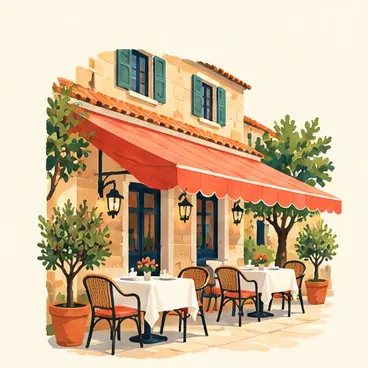
 a restaurant
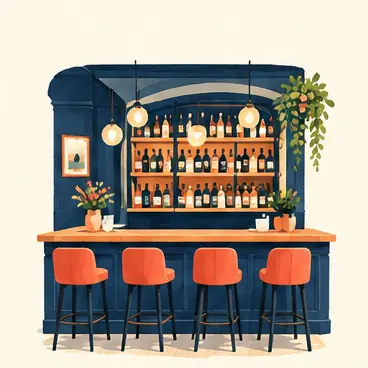 a bar
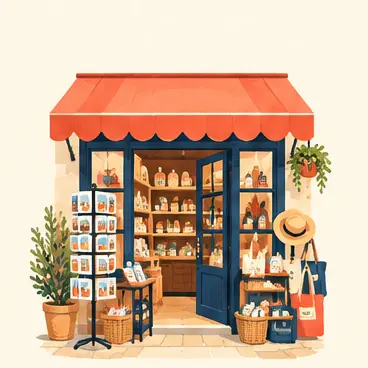 a gift shop
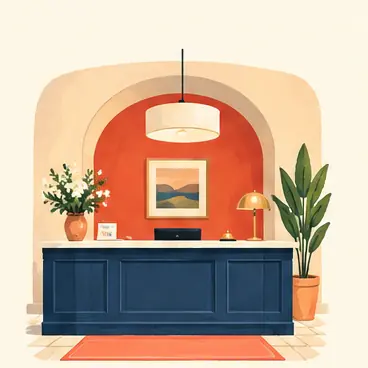 reception

was と were:am、is、are の過去形
be動詞の過去形は二つだけです。I、he、she、it と一つのものには was、you、we、they と二つ以上のものには were を使います。you は相手が一人でも必ず were です。
日本語では人には「いる」、物には「ある」を使い分けますが、英語ではどちらも was / were です。“The key was on the table.”(鍵はテーブルの上にあった)も “Ken was at work.”(ケンは職場にいた)も同じ形です。
- I am → I was:“I was at reception.”(フロントにいました。)
- he / she / it is → was:“It was on the table.”(テーブルの上にありました。)
- you / we / they are → were:“We were in London.”(私たちはロンドンにいました。)
- 一つか複数か:“My key was in my bag.” “My keys were in my bag.”(鍵が一つなら was、複数なら were)
疑問文、否定文、短い答え方
疑問文では was や were を主語の前に置きます。否定文は wasn’t、weren’t と言います。短く答えるときは was や were をくり返します。
- “Where was the key last night?”(ゆうべ、鍵はどこにありましたか?)“Where were you at six?”(6時にどこにいましたか?)
- “Was your bag in the room?” – “No, it wasn’t. It was at reception.”(かばんは部屋にありましたか? – いいえ。フロントにありました。)
- “Were you on the train?” – “Yes, I was.”(電車に乗っていましたか? – はい。)
- “We weren’t at the hotel yesterday.”(昨日、私たちはホテルにいませんでした。)
in、on、under、at:どこにあったか
上のカードで in、on、under といくつかのホテルの場所の音声を聞けます。二つの場所を続けて言うとき、日本語は大きい場所から言いますが(バーのテーブルの上に)、英語は小さい場所から言います。“on the table in the bar”
- in = 中に:“The towels were in the cupboard.”(タオルは戸棚の中にありました。)
- on = 表面の上に:“My phone was on the floor.”(携帯電話は床の上にありました。)
- under = 下に:“The remote control was under the pillow.”(リモコンは枕の下にありました。)
- at = 地点やサービスの場所:“It was at reception.”(フロントにありました。)“I was at home.”(家にいました。)
ホテルと日常の場所の単語
ものがなくなったときによく出てくる場所です。
- ホテル:reception(フロント)、a restaurant、a bar、a gift shop(ギフトショップ)、a gym(ジム)、a swimming pool(プール)、the lift(エレベーター、アメリカ英語では elevator)、the car park(駐車場、アメリカ英語では parking lot)
- 客室:a bed(ベッド)、a pillow(枕)、a table(テーブル)、a cupboard(戸棚)、the bathroom(浴室)
- 一日の場所:at home(家に)、at work(職場に)、at university(大学に)、in bed(寝ていて)、in the kitchen(台所に)
- 移動中:on a bus、on a train、on a plane(バス、電車、飛行機に乗って)。ただし in a car、in a taxi(車、タクシーに乗って)
- “at home”、“at work”、“in bed” には the をつけません。“I was in bed at ten.”(10時には寝ていました。)
あのときと今:was から is へ
last night(ゆうべ)、yesterday(昨日)、at six(6時に)は was と were、now(今)は is と are といっしょに使います。次の質問は今起きていることを聞くので、-ing をよく使います。
- あのとき:“It was on the table last night.”(ゆうべはテーブルの上にありました。)
- 今:“It isn’t there now.”(今はそこにありません。)“Where is it now?”(今はどこにありますか?)
- “Who’s sitting there now?” – “A guest in a blue jacket.”(今そこにだれが座っていますか? – 青いジャケットのお客さんです。)
- 今そこにあるもの:“There’s a guest at the table.”(テーブルにお客さんがいます。)“There aren’t any keys at reception.”(フロントに鍵は一つもありません。)
- 次の行動:“Let’s ask him.”(あの人に聞いてみましょう。)
ホテルでなくなった鍵
ホテルで二人がお客さんの鍵を探しています。isn’t(今)、was(ゆうべ)、“Who’s”(who is の短縮形)に注意して聞きましょう。そのあと、鍵の代わりに自分の携帯電話に変えて言ってみましょう。
Owen The guest's key isn't at reception now.
Maya Where was it last night?
Owen It was on the table in the bar.
Maya Who's sitting there now?
Owen A guest in a blue jacket.
Maya Let's ask him.
よくあるミス
どれも簡単に直せます。
- “You was at home.” you にはいつも were を使います。“You were at home.”
- “Where you were?” 疑問文では were が you より先に来ます。“Where were you?”
- “Did you were at work?” was と were に did は使いません。“Were you at work?”
- “Where was?” 日本語のように主語を省略しないこと。“Where was it?”
- “The keys was at reception.” 複数なら were です。“The keys were at reception.”
1日10分の練習法
すべて声に出して、毎日少しずつ練習しましょう。
- 2分:会話を再生し、1文ごとに止めて声に出してまねします。
- 2分:昨日の三つの時間にどこにいたかを言います。“At eight I was at home. At ten I was on a bus.”
- 3分:鍵と携帯電話の写真を撮ってから置き場所を変え、比べて言います。“My phone was on the table. Now it’s under the pillow.”
- 3分:だれかに “Where were you last night?” と聞き、were を使った質問をあと二つしてみましょう。
次のステップ
次は、ほかの動詞の過去形を使ってみましょう。多くの動詞は -ed をつけます。“I stayed in a small hotel.” “We arrived at six.” こうした動詞の疑問文には did を使いますが(“Did you arrive at six?”)、was と were には決して did を使いません。そのあと、一日の出来事を短い話にして言ってみましょう。