Przejdź do treści
Flalingo

Ćwiczenia z angielskiego

Too i enough po angielsku dla dzieci (A2, 9–12 lat): porównywanie materiałów i opowiadanie o naprawie kostiumu

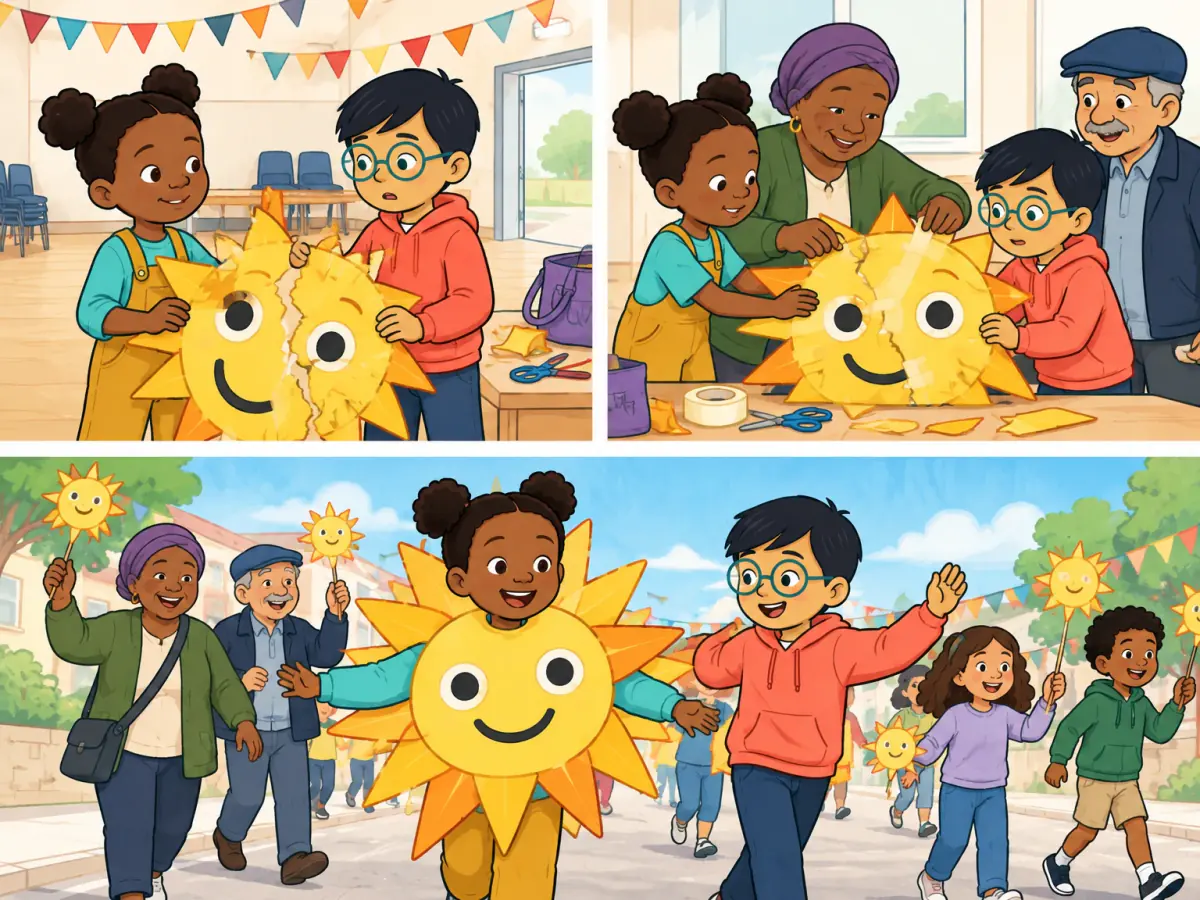
A three-part picture story: in a community hall, two children find the paper sun costume torn across its face; two neighbours help them tape it and add gold paper; one of the children wears the repaired sun in the bright parade.

Pomóż dziecku w wieku 9–12 lat używać too, enough i as … as po angielsku (A2): porównać materiały na kostium, a potem napisać krótkie opowiadanie, w którym za długa peleryna staje się wystarczająco krótka, żeby ją założyć.

Żeby powiedzieć, że coś nie nadaje się do zadania, angielski stawia “too” przed przymiotnikiem: “The sack is too rough.” Żeby powiedzieć, że się nadaje, “enough” stawiamy po przymiotniku: “It is light enough to wear.” Przy porównaniach “as … as” znaczy tak samo, a “not as … as” znaczy mniej: “The cloth is not as bright as the lampshade.” To temat na poziomie A2 dla dzieci w wieku około 9–12 lat, które już używają “softer than” i “the brightest”. Kończy się krótkim opowiadaniem o naprawie kostiumu.

Dla kogo jest ten artykuł?

  • Rodzice dzieci, które już porównują: dziecko mówi “The dog is bigger than the cat.” i “the tallest in my class”.
  • Dzieci, które lubią się przebierać, majsterkować albo naprawiać rzeczy: kostiumy i rekwizyty dają “too” i “enough” prawdziwe zadanie.
  • Rodzice, którzy chcą ćwiczyć w domu: wystarczy kilka domowych przedmiotów, a karty na tej stronie mają nagranie każdego słowa i zdania.
  • Za wcześnie: jeśli dziecko nie używa jeszcze “bigger than” i “the biggest”, najpierw poćwiczcie te porównania na zabawkach albo członkach rodziny.
  • Za łatwe: jeśli dziecko samo pisze zdania typu “The box was too heavy, so we used a lighter one.”, przejdź do spójników w krótkim tekście (link poniżej).

Otwórz przykładowe strony

Otwórz przykładowe strony

Karty ze słowami

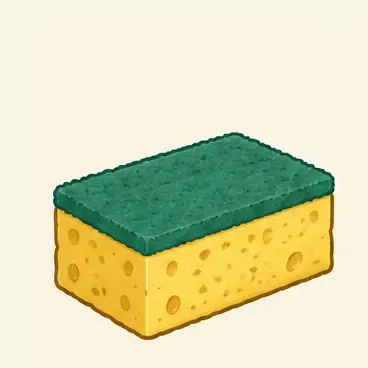
spongesponge
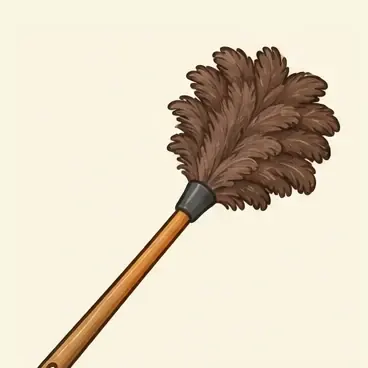
feather dusterfeather duster
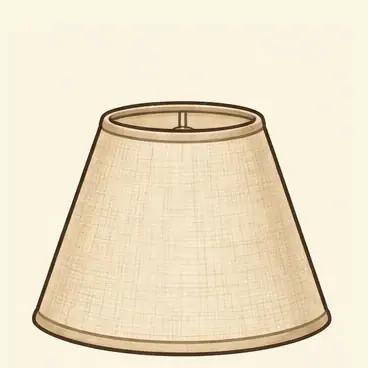
lampshadelampshade
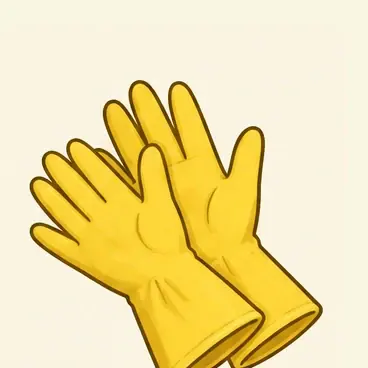
rubber glovesrubber gloves
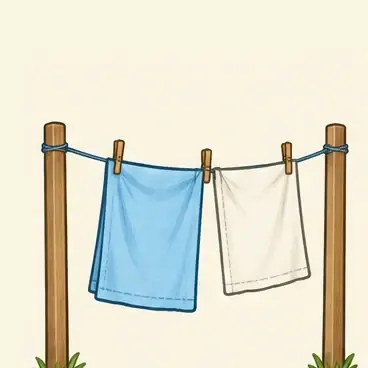
washing linewashing line
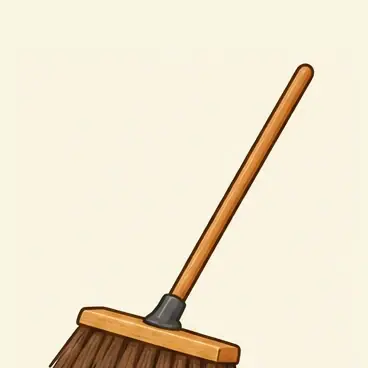
broombroom
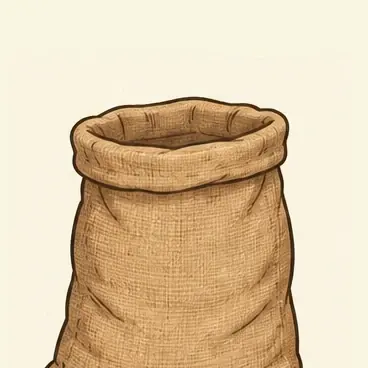
sacksack
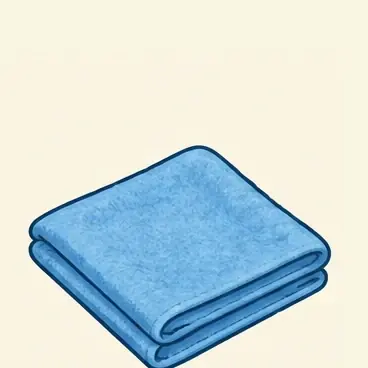
clothcloth
Is the cloth as bright as the lampshade?

Study how this model connects form with meaning.

No. It is not as bright, but it is light enough to wear.

Study how this model connects form with meaning.

The sack is too rough.

Study how this model connects form with meaning.

The sponge is as soft as the cloth.

Study how this model connects form with meaning.

The feather duster is softer than the broom.

A comparative compares two things.

The lampshade is the brightest item on the table.

A superlative compares one thing with the whole group.

Rozmowa

Nia What do you think will happen to the costume?

Leo I predict that the bright cloth will become a cape.

Nia Then Mara cuts the cloth and Amir ties the rope.

Leo Jo paints the lampshade, and Suri uses the sponge to add stars.

Nia Was your prediction correct?

Leo Yes. The cloth becomes a cape for the final scene.

Konstrukcja zdania

Is the cloth as bright as the lampshade?

No. It is not as bright, but it is light enough to wear.

  • The sack is too rough.
  • The sponge is as soft as the cloth.

Więcej ćwiczeń

Use the contrast

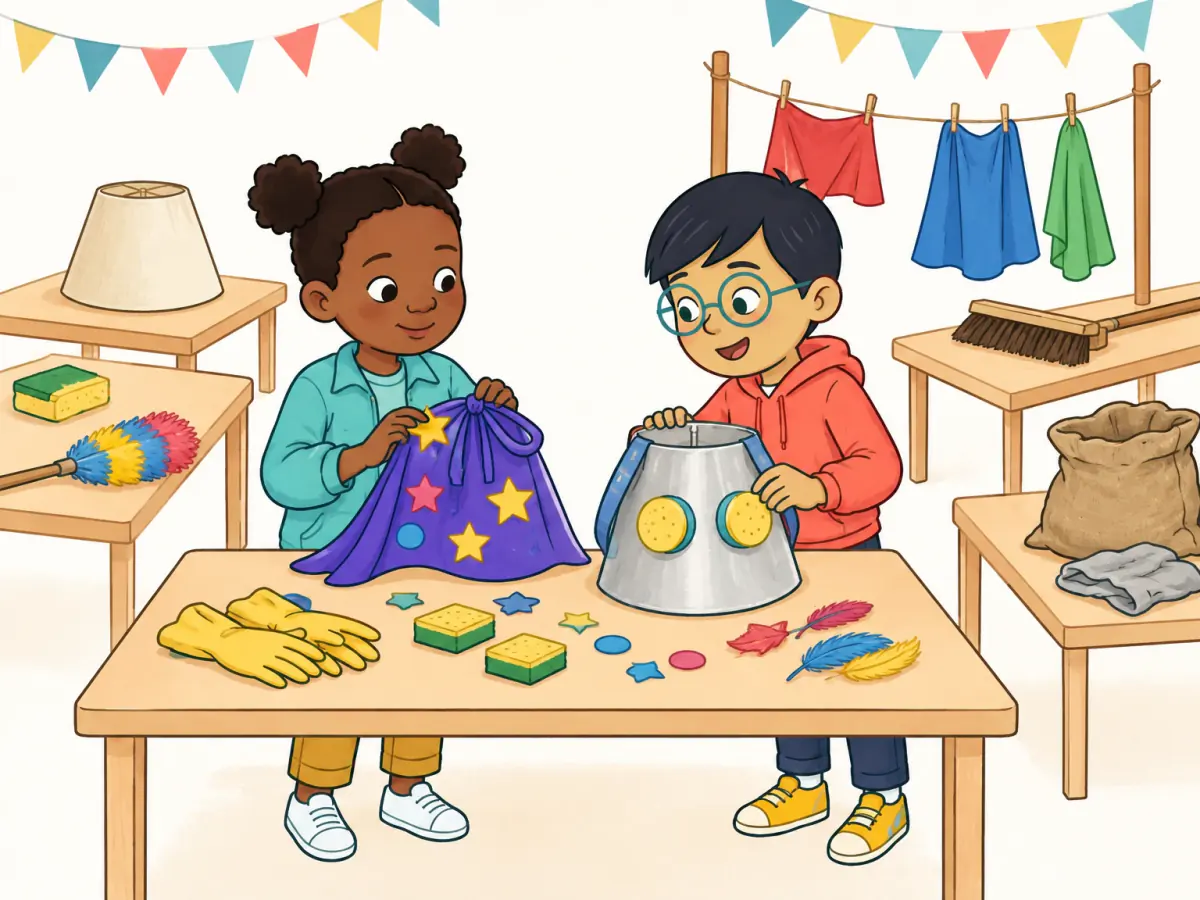
At a costume-repair party, a sponge, feather duster, lampshade, rubber gloves, washing line, broom, sack and cloth are arranged on separate tables. Nia and Leo design costumes without wearing unsafe household equipment.

Nia Is the cloth as bright as the lampshade?

Leo No. It is not as bright, but it is light enough to wear.

Leo Can we use the sack?

Nia No. It is too rough.

Nia Is the sponge soft enough?

Leo Yes. It is as soft as the cloth.

Is the cloth as bright as the lampshade?

No. It is not as bright, but it is light enough to wear.

  • The sack is too rough.
  • The sponge is as soft as the cloth.

The sun that tore

A three-part picture story: in a community hall, Nia and Leo find the paper sun costume torn across its face; two neighbours help them tape it and add gold paper; Nia wears the repaired sun in the bright parade.

THE SUN THAT TORE

On parade morning, the paper sun costume tore right across its smiling face. Nia feared that the opening scene was ruined. Leo found some clear tape, but it was not as bright as the paper. Two neighbours added thin strips of gold paper. The repair was strong enough and light enough to carry. When the parade began, the patched sun caught the light. The accident became the costume’s best detail.

Plan aloud

A three-part picture story: in a community hall, Nia and Leo find the paper sun costume torn across its face; two neighbours help them tape it and add gold paper; Nia wears the repaired sun in the bright parade.

Nia How will your party story end?

Leo The dancers will enter together, and the audience will cheer.

Leo What is the problem in your story?

Nia The silver cape is too long.

How will your party story end?

The music started, but the silver cape was too long. The two friends folded it and fixed it with cloth tape. It was short enough to wear safely. The dancers entered together, and the audience cheered.

  • problem
  • repair action
  • too/enough
  • resolved ending

Draft and revise

A three-part picture story: in a community hall, Nia and Leo find the paper sun costume torn across its face; two neighbours help them tape it and add gold paper; Nia wears the repaired sun in the bright parade.

Nia Who will read your text?

Leo Younger readers at our library will read my story.

Leo What will you check?

Nia I will check my spelling and punctuation.

How will your party story end?

The music started, but the silver cape was too long. The two friends folded it and fixed it with cloth tape. It was short enough to wear safely. The dancers entered together, and the audience cheered.

  • problem
  • repair action
  • too/enough
  • resolved ending
Poznaj ten rozdział
Jak chcesz się uczyć?

Domowe słowa i słowa opisujące

Wyobraź sobie bal przebierańców, na którym wszystko pochodzi z szafki: gąbką stempluje się gwiazdki, a kawałek materiału staje się peleryną. Uwaga na jedno słowo: “cloth” to materiał, tkanina, a ubrania, które nosimy, to “clothes”.

Do porównań dodaj pary przeciwieństw: soft i rough (miękki, szorstki), light i heavy (lekki, ciężki), bright i dark (jasny, ciemny), long i short (długi, krótki).

  • sponge – gąbka
  • feather duster – miotełka z piór
  • lampshade – abażur
  • rubber gloves – gumowe rękawiczki
  • washing line – sznur do bielizny
  • broom – miotła
  • sack – duży worek z szorstkiego materiału
  • cloth – materiał (na ubrania albo pelerynę)

Too i enough: czy to się nadaje?

“Too” znaczy więcej, niż trzeba do danego celu, więc jest problem: “The sack is too rough.” “Enough” znaczy tyle, ile trzeba, więc to działa: “It is light enough.” Z “not” pokazuje, czego brakuje: “The string is not long enough.”

“Too” stoi przed przymiotnikiem, a “enough” po nim. Polskie “za” albo “zbyt” dobrze odpowiada “too”: “za długi” to “too long”. Ale po polsku mówimy “wystarczająco lekki”, ze słowem na początku, dlatego dzieci często mówią “enough light”. Cel dodajemy przez “to” i czasownik: “too heavy to carry” (za ciężki, żeby go nieść), “light enough to wear” (wystarczająco lekki, żeby go założyć).

  • “The cape is too long.”: jest problem
  • “It is short enough to wear safely.”: problem rozwiązany

As … as, -er than i the -est

“As … as” mówi, że dwie rzeczy są takie same, jak polskie “tak … jak”: “The sponge is as soft as the cloth.” (Gąbka jest tak miękka jak materiał.) “Not as … as” mówi, że pierwsza ma tej cechy mniej. Dziecko pewnie zna już “-er than” dla dwóch rzeczy (“The feather duster is softer than the broom.”) i “the -est” dla jednej rzeczy w grupie (“The lampshade is the brightest item on the table.”).

Najważniejszy wzór łączy porównanie i decyzję słowem “but”: “Is the cloth as bright as the lampshade?” “No. It is not as bright, but it is light enough to wear.” Materiał przegrywa w jasności, ale i tak się nadaje.

Przewiduj, słuchaj, sprawdzaj

Przed słuchaniem zapytaj “What do you think will happen to the costume?” i pozwól dziecku odpowiedzieć zdaniem “I predict that… will…”. Potem włącz rozmowę, zapytaj “Who ties the rope?” i posłuchajcie jeszcze raz, żeby sprawdzić.

Przewidywanie używa “will”, bo dotyczy przyszłości; kolejne kroki są w czasie present simple (“cuts”, “ties”), jak w streszczeniu opowiadania.

Nia What do you think will happen to the costume?

Leo I predict that the bright cloth will become a cape.

Nia Then Mara cuts the cloth and Amir ties the rope.

Leo Jo paints the lampshade, and Suri uses the sponge to add stars.

Nia Was your prediction correct?

Leo Yes. The cloth becomes a cape for the final scene.

Poznaj ten rozdział po swojemu

Opowiadanie o naprawie kostiumu

Opowiadanie o naprawie ma cztery części: początek, problem z “too” albo “not … enough”, naprawę i zakończenie z “enough”. Niech dziecko pisze dla prawdziwego czytelnika, na przykład młodszego kuzyna.

Wzór do przerobienia: “The music started, but the silver cape was too long. The two friends folded it and fixed it with cloth tape. It was short enough to wear safely. The dancers entered together, and the audience cheered.”

  • Plan: kostium, problem, naprawa
  • Pisanie: cztery zdania w past simple z “too” i “enough”
  • Sprawdzenie: jedno porównanie, wielkie litery, kropki

Częste błędy i proste poprawki

Na poziomie A2 to normalne: powtórz zdanie poprawnie i rozmawiajcie dalej.

  • “It is enough light.”: “enough” stoi po przymiotniku: “It is light enough.”
  • “The cape is too much long.”: bez “much”: “The cape is too long.”
  • “Your costume is too beautiful!”: gdy nie ma problemu, użyj “really”: “Your costume is really beautiful!”
  • “too heavy for carry”: przed czasownikiem stoi “to”: “too heavy to carry”.
  • “as bright than”: mówimy “as bright as” albo “brighter than”.

Zabawa w domu: wyzwanie kostiumowe

Zbierz kilka bezpiecznych rzeczy, na przykład szalik, ściereczkę kuchenną, papierową torbę i pudełko, i wybierzcie kostium, na przykład pelerynę superbohatera. Dziecko bierze każdą rzecz do ręki i decyduje: “The tea towel is too small.” “The scarf is long enough.” Ty pytasz: “Is the bag as strong as the box?”

Potem zamieńcie się rolami i dodajcie przewidywanie: “What do you think will happen to the box?” “I predict that it will become a robot head.”

Co dalej

Gdy too i enough są już łatwe, dziecko może łączyć myśli spójnikami: “The cape was too long, so we folded it.” To prowadzi do krótkich tekstów informacyjnych, które wyjaśniają przyczyny i skutki.

Najczęstsze pytania

Czym różni się “too” od “very”?

“Very” tylko wzmacnia słowo: “The box is very heavy, but I can carry it.” “Too” znaczy, że jest problem: “The box is too heavy. I can’t carry it.” To ta sama różnica co między “bardzo” a “za”.

Czy “enough” stoi przed słowem, czy po nim?

Po przymiotniku i przed rzeczownikiem: “The coat is warm enough.” “We haven’t got enough coats.”

Czy “not as bright as” to to samo co “less bright than”?

Prawie. “Not as … as” brzmi naturalniej w codziennym angielskim, więc warto nauczyć się go najpierw.

Poznaj ten rozdział
Jak chcesz się uczyć?

Co dalej?

Nauka z lektorem na żywo

Na lekcjach Flalingo dla dzieci Twoje dziecko ćwiczy takie rozdziały jeden na jeden z lektorem na żywo, grając na wspólnym ekranie.

Umów bezpłatną lekcję próbną