

Przejdź do treści
Flalingo

Ćwiczenia z angielskiego

IELTS Academic Reading True, False, Not Given: jak odróżnić False od Not Given

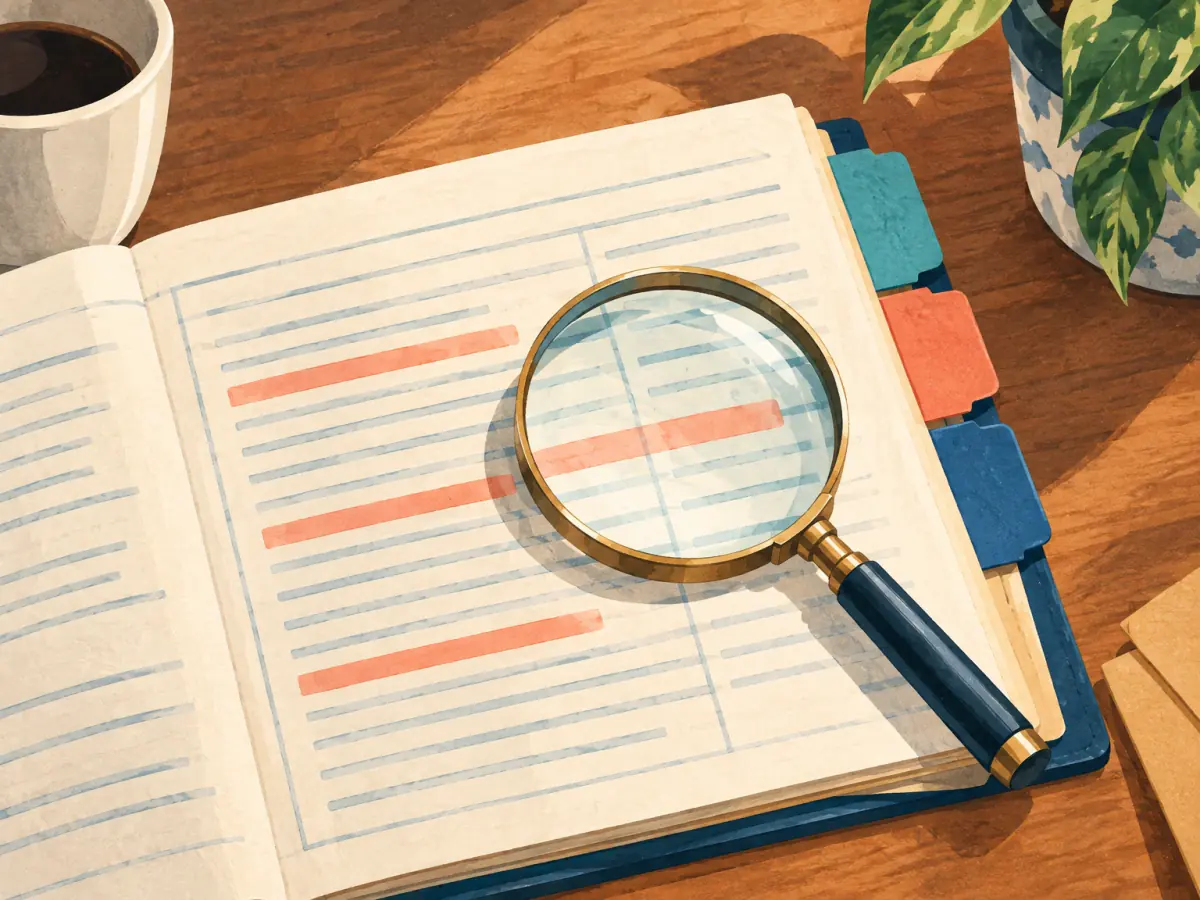
An evidence table with three distinct evidence tabs.

Jak odpowiadać na pytania True, False, Not Given w IELTS Academic Reading: znajdź dowód w tekście, odróżnij sprzeczność od braku informacji, pilnuj limitu słów i poćwicz na krótkim tekście.

W pytaniach True, False, Not Given w IELTS Reading decydujesz, jak zdanie ma się do tekstu: TRUE, jeśli tekst mówi to samo, FALSE, jeśli mu przeczy, NOT GIVEN, jeśli nie mówi nic ani w jedną, ani w drugą stronę. Najwięcej punktów traci się między dwiema ostatnimi odpowiedziami: FALSE wymaga słów w tekście, które wykluczają zdanie, a NOT GIVEN oznacza, że potrzebnej informacji po prostu nie ma. Znajdź dowód, sprawdź każdą część zdania i nigdy nie odpowiadaj na podstawie wiedzy ogólnej. Ten poradnik jest dla kandydatów IELTS Academic, którzy znają angielski na poziomie średnio zaawansowanym wyższym (B2) lub wyższym.

Dla kogo jest ten artykuł?

  • Kandydaci, którzy rozumieją tekst, ale wciąż tracą punkty między False a Not Given.
  • Osoby, które za długo szukają właściwego akapitu i którym brakuje czasu.
  • Kandydaci, którzy odpowiadają według tego, co wydaje się sensowne, albo według własnej wiedzy o temacie.
  • Za wcześnie: jeśli szukanie dokładnych dowodów w IELTS jest dla ciebie nowe, zacznij od poradnika do pytań z wyborem dwóch odpowiedzi w Listeningu, który ćwiczy ten sam nawyk (linki poniżej).
  • Za łatwo: jeśli ten typ pytań idzie ci już pewnie, przejdź do pytań Yes, No, Not Given o poglądach autora (linki poniżej).

Otwórz przykładowe strony

Otwórz przykładowe strony

Karty ze słowami

True

the statement agrees with information in the text

Text: access improved after the move. Statement: The move improved access.

False

the statement contradicts information in the text

Text: sewing machines were booked most. Statement: Drills were booked most.

Not Given

the text does not establish the statement either way

Text gives a three-day loan but no renewal count.

Konstrukcja zdania

historically significant (adverb + adjective)

an adverb modifies an adjective in a conventional partnership

The recovered notebook was historically significant.

a detailed record (adjective + noun)

an adjective combines conventionally with a noun

The archive preserves a detailed record of the invention.

storage box (noun + noun)

one noun modifies another noun

The research team opened the storage box.

Więcej ćwiczeń

Three evidence states

The Westbridge Repair Library began lending tools in 2019. Its founders expected most members to borrow drills and saws, but sewing machines became the most frequently booked items during the first winter. In 2021, the library moved from a basement to a street-level room, which improved wheelchair access.

Members may reserve an item for three days. Volunteers inspect returned tools every evening, and a qualified technician checks electrical items each Friday. Since 2023, damaged equipment has been sent to a partner workshop rather than repaired in the library.

A survey found that members valued practical advice more than low fees. It recorded strong support for weekend opening, but the trustees have not announced whether Sunday hours will be introduced.

Choose True, False or Not Given

The Westbridge Repair Library began lending tools in 2019. Its founders expected most members to borrow drills and saws, but sewing machines became the most frequently booked items during the first winter. In 2021, the library moved from a basement to a street-level room, which improved wheelchair access.

Members may reserve an item for three days. Volunteers inspect returned tools every evening, and a qualified technician checks electrical items each Friday. Since 2023, damaged equipment has been sent to a partner workshop rather than repaired in the library.

A survey found that members valued practical advice more than low fees. It recorded strong support for weekend opening, but the trustees have not announced whether Sunday hours will be introduced.

  1. Sewing machines were the most frequently booked items in the first winter.

    Pokaż odpowiedź i wyjaśnienie

    True

    The first paragraph states this directly.

  2. Returned electrical tools are checked by a technician every evening.

    Pokaż odpowiedź i wyjaśnienie

    False

    Volunteers inspect returns every evening, but the technician checks electrical items on Fridays.

  3. Members can renew a reservation twice.

    Pokaż odpowiedź i wyjaśnienie

    Not Given

    The passage gives a loan duration but no renewal count.

  4. The trustees have confirmed Sunday opening.

    Pokaż odpowiedź i wyjaśnienie

    False

    The text explicitly says no Sunday decision has been announced.

Defend the evidence state

An evidence table with three distinct evidence tabs.

The Westbridge Repair Library began lending tools in 2019. Its founders expected most members to borrow drills and saws, but sewing machines became the most frequently booked items during the first winter. In 2021, the library moved from a basement to a street-level room, which improved wheelchair access.

Members may reserve an item for three days. The text does not state how many times a reservation can be renewed. Volunteers inspect returned tools every evening, and a qualified technician checks electrical items each Friday. Since 2023, damaged equipment has been sent to a partner workshop rather than repaired in the library.

A survey found that members valued practical advice more than low fees. It recorded strong support for weekend opening, but the trustees have not announced whether Sunday hours will be introduced.

Three-state frame

  • True — matching text evidence
  • False — contradicting text evidence
  • Not Given — information absent

Possible topics

  • popular equipment
  • access
  • loan length
  • renewals
  • inspection
  • Sunday hours

Read for evidence boundaries

Two adults compare archive evidence and a mechanical model.

In 2018, volunteers at the Harbour Archive opened an unlabelled wooden case donated by a retired engineer. Inside they found a compact tide calculator, three notebooks and a receipt dated 1964. The calculator used rotating metal discs to estimate safe departure times for small boats. An inventory from 1972 mentioned a similar device, but its dimensions were larger and its maker was listed as unknown.

Engineer Lila Morgan signed two of the newly found notebooks. Entries show that she tested the compact calculator between March and July 1963, one year before the receipt. A newspaper profile from 1965 praised Morgan's harbour research but did not mention the device. The archive therefore attributes the compact model to Morgan with moderate confidence. It does not claim that she invented every tide calculator or that the 1972 device was hers.

After conservation, the compact calculator went on display in 2020. A digital replica was added in 2022 so visitors could explore the mechanism without touching the original.

Locate through anchors and paraphrase

Anchor → evidence

  • 2018 → case opened
  • 1963 → Morgan tested compact calculator
  • 1964 → receipt date
  • 2020 → displayed
  • 2022 → digital replica added

Paraphrase links

  • donated → given
  • attributes to → identifies probable maker
  • moderate confidence → supported but not certain
  • replica → copy

Choose only what the text establishes

In 2018, volunteers at the Harbour Archive opened an unlabelled wooden case donated by a retired engineer. Inside they found a compact tide calculator, three notebooks and a receipt dated 1964. The calculator used rotating metal discs to estimate safe departure times for small boats. An inventory from 1972 mentioned a similar device, but its dimensions were larger and its maker was listed as unknown.

Engineer Lila Morgan signed two of the newly found notebooks. Entries show that she tested the compact calculator between March and July 1963, one year before the receipt. A newspaper profile from 1965 praised Morgan's harbour research but did not mention the device. The archive therefore attributes the compact model to Morgan with moderate confidence. It does not claim that she invented every tide calculator or that the 1972 device was hers.

After conservation, the compact calculator went on display in 2020. A digital replica was added in 2022 so visitors could explore the mechanism without touching the original.

  1. What was inside the donated case?

    Pokaż odpowiedź i wyjaśnienie

    a compact tide calculator and three notebooks

    The first paragraph lists the compact calculator and three notebooks.

  2. Why is Morgan linked to the compact model?

    Pokaż odpowiedź i wyjaśnienie

    she signed notebooks describing tests of it

    Her signed notebooks record tests of the compact calculator.

  3. What does the archive avoid claiming?

    Pokaż odpowiedź i wyjaśnienie

    that Morgan invented every tide calculator

    The passage explicitly limits the attribution.

Brief a new curator

Two adults compare archive evidence and a mechanical model.

In 2018, volunteers at the Harbour Archive opened an unlabelled wooden case donated by a retired engineer. Inside they found a compact tide calculator, three notebooks and a receipt dated 1964. The calculator used rotating metal discs to estimate safe departure times for small boats. An list from 1972 mentioned a similar device, but its dimensions were larger and its maker was listed as unknown.

Engineer Lila Morgan signed two of the newly found notebooks. Entries show that she tested the compact calculator between March and July 1963, one year before the receipt. A newspaper profile from 1965 praised Morgan's harbour research but did not mention the device. The archive therefore attributes the compact model to Morgan with moderate confidence. It does not claim that she invented every tide calculator or that the 1972 device was hers.

After conservation, the compact calculator went on display in 2020. A digital replica was added in 2022 so visitors could explore the mechanism without touching the original.

Evidence briefing frame

  • Object/date: ___
  • Direct evidence: ___
  • Cautious inference: ___
  • Not established: ___

Required language

  • the record states
  • this suggests
  • with moderate confidence
  • the text does not establish

Read the process before the blanks

The City Sound Archive receives donated recordings in four stages. First, a coordinator records the donor's name and the number of files. Next, a technician creates a protected copy before opening any original file. The team then checks sound quality and adds a short description. Finally, recordings with clear permission are released to the public catalogue; restricted recordings enter secure storage.

During a 202-file pilot, 140 recordings entered the public catalogue, 30 entered secure storage and 12 were returned because permission was unclear. The remaining 20 recordings were still awaiting review. Each protected copy used the same file name plus a date code.

Predict form from rows and units

Process notes — NO MORE THAN TWO WORDS

  • 1 record donor name and number of ___
  • 2 create a protected ___
  • 3 check sound quality and add a ___
  • 4 clear permission → public catalogue
  • 4 restricted → secure ___

Pilot table — A NUMBER

  • total files: ___
  • public catalogue: ___
  • secure storage: ___
  • returned: ___
  • awaiting review: ___

Complete within the visible limits

The City Sound Archive receives donated recordings in four stages. First, a coordinator records the donor's name and the number of files. Next, a technician creates a protected copy before opening any original file. The team then checks sound quality and adds a short description. Finally, recordings with clear permission are released to the public catalogue; restricted recordings enter secure storage.

During a 202-file pilot, 140 recordings entered the public catalogue, 30 entered secure storage and 12 were returned because permission was unclear. The remaining 20 recordings were still awaiting review. Each protected copy used the same file name plus a date code.

  1. record donor name and number of ___

    Pokaż odpowiedź i wyjaśnienie

    files

    The passage says the coordinator records the number of files.

  2. create a protected ___

    Pokaż odpowiedź i wyjaśnienie

    copy

    The exact process noun is protected copy.

  3. restricted recordings enter secure ___

    Pokaż odpowiedź i wyjaśnienie

    storage

    The final branch sends restricted recordings to secure storage.

  4. How many recordings entered secure storage?

    Pokaż odpowiedź i wyjaśnienie

    30

    The pilot data assigns 30 recordings to secure storage.

Read for concise answer spans

A neighbourhood roof project tested three surface materials during July. White mineral tiles produced the lowest midday temperature, while untreated metal produced the highest. Recycled rubber panels reduced indoor heat but became softer after repeated rain. The team selected mineral tiles for the community clinic because they stayed cool and required little maintenance. Rubber panels will be tested again on a storage building, where surface softness presents less risk. The report does not recommend untreated metal for either site.

Obey the visible word limit

Write NO MORE THAN THREE WORDS

  • Which material was coolest? ___
  • Where will rubber be retested? ___
  • What happened to rubber after rain? ___
  • Which site receives mineral tiles? ___

Form clues

  • Which material → material noun phrase
  • Where → place noun phrase
  • What happened → verb/adjective phrase
  • Which site → site noun phrase

Choose the concise answer from the passage

A neighbourhood roof project tested three surface materials during July. White mineral tiles produced the lowest midday temperature, while untreated metal produced the highest. Recycled rubber panels reduced indoor heat but became softer after repeated rain. The team selected mineral tiles for the community clinic because they stayed cool and required little maintenance. Rubber panels will be tested again on a storage building, where surface softness presents less risk. The report does not recommend untreated metal for either site.

  1. Which material produced the lowest midday temperature?

    Pokaż odpowiedź i wyjaśnienie

    white mineral tiles

    White mineral tiles is the exact three-word phrase from the passage.

  2. Where will rubber panels be tested again?

    Pokaż odpowiedź i wyjaśnienie

    a storage building

    A storage building is the stated future test site and fits the limit.

  3. What did rubber panels become after repeated rain?

    Pokaż odpowiedź i wyjaśnienie

    softer

    The passage states that the panels became softer.

  4. Which site will receive mineral tiles?

    Pokaż odpowiedź i wyjaśnienie

    the community clinic

    The team selected mineral tiles for the community clinic.

Write and check four short answers

Two adults compare archive evidence and a mechanical model.

A neighbourhood roof project tested three surface materials during July. White mineral tiles produced the lowest midday temperature, while untreated metal produced the highest. Recycled rubber panels reduced indoor heat but became softer after repeated rain. The team selected mineral tiles for the community clinic because they stayed cool and required little maintenance. Rubber panels will be tested again on a storage building, where surface softness presents less risk. The report does not recommend untreated metal for either site.

NO MORE THAN THREE WORDS

  • coolest material: ___
  • rubber retest place: ___
  • rain effect: ___
  • tile site: ___

Audit

  • directly answers question
  • uses words from the passage
  • within three words
  • spelling and number correct

Collocation Forms: second set

reach a conclusion (verb + noun)

a verb and noun commonly occur together

Researchers reached a conclusion after comparing the dates.

insight into (noun + preposition)

a content word selects a conventional dependent preposition

The curator gave visitors insight into the design.

Collocation Forms: transfer

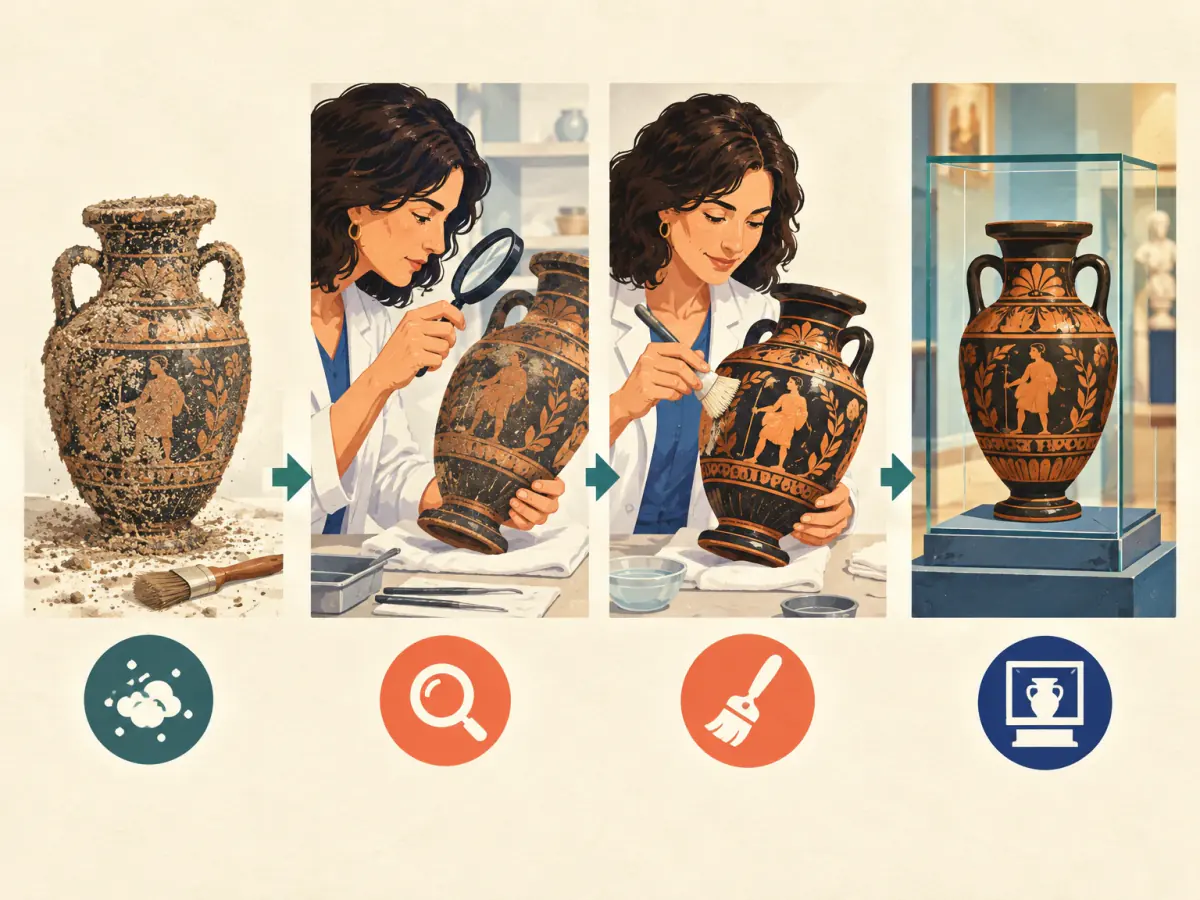
A four-stage restoration process from inspection to display.

Reference A

  • historically significant (adverb + adjective) — an adverb modifies an adjective in a conventional partnership
  • a detailed record (adjective + noun) — an adjective combines conventionally with a noun
  • storage box (noun + noun) — one noun modifies another noun

Reference B

  • reach a conclusion (verb + noun) — a verb and noun commonly occur together
  • insight into (noun + preposition) — a content word selects a conventional dependent preposition
Poznaj ten rozdział
Jak chcesz się uczyć?
Masz już konto?

Darmowe konto otwiera na stałe jeden rozdział.

Jak działają pytania True, False, Not Given

IELTS Academic Reading to trzy długie teksty, 40 pytań i 60 minut; w wersji papierowej nie ma dodatkowego czasu na przepisanie odpowiedzi na kartę.

Polecenie brzmi: “Do the following statements agree with the information given in Reading Passage 1?” Zdania idą w kolejności tekstu, a każde ma jedną z trzech odpowiedzi:

  • TRUE: zdanie zgadza się z informacją w tekście.
  • FALSE: zdanie przeczy informacji w tekście.
  • NOT GIVEN: tekst nie podaje informacji na ten temat.

Najpierw znajdź miejsce: punkty zaczepienia i parafraza

Szukaj słów, które trudno sparafrazować: nazw, dat, liczb, terminów technicznych. Potem przeczytaj całe zdanie i następne; rozstrzygający szczegół często jest kilka słów dalej.

W tekście ćwiczeniowym o archiwum daty 1963 i 1964 prowadzą do testów kalkulatora i do pokwitowania. Data pokazuje, gdzie szukać, ale nie daje odpowiedzi. Zdania w pytaniach zwykle parafrazują tekst:

  • “donated” zmienia się w “given”.
  • “attributes the model to her” zmienia się w “identifies her as the probable maker”.
  • “with moderate confidence” zmienia się w “supported but not certain”.

False czy Not Given: sprzeczność czy milczenie

Zadaj sobie dwa pytania po kolei. Czy tekst mówi coś dokładnie o tej rzeczy? Jeśli nie, odpowiedź to NOT GIVEN. Jeśli tak, czy zgadza się ze zdaniem, czy mu przeczy? Zgodność to TRUE, sprzeczność to FALSE. Coś prawdziwego w realnym życiu nadal może być NOT GIVEN.

Każda karta na tej stronie ma nagranie swojego przykładu:

  • TRUE: “Text: access improved after the move. Statement: The move improved access.”
  • FALSE: “Text: sewing machines were booked most. Statement: Drills were booked most.” Najczęściej rezerwowany może być tylko jeden przedmiot.
  • NOT GIVEN: “Text gives a three-day loan but no renewal count.” Zdania o przedłużeniach nie da się sprawdzić.

Spróbuj: wypożyczalnia narzędzi

Przeczytaj fragment tekstu ćwiczeniowego o osiedlowej wypożyczalni narzędzi i zdecyduj.

  • “Members may reserve an item for three days. Volunteers inspect returned tools every evening, and a qualified technician checks electrical items each Friday.”
Zdanie: “Returned electrical tools are checked by a technician every evening.”

Małe słowa, które rozstrzygają odpowiedź

Czytaj ograniczenia twierdzenia tak uważnie jak samo twierdzenie: “expected” to nie “happened”, a “may” to nie “will”. Tekst o archiwum przypisuje kalkulator pewnej inżynierce “with moderate confidence” i dodaje, że archiwum “does not claim that she invented every tide calculator”. Dlatego “The archive is certain who made it.” to FALSE, a “She invented the first tide calculator.” to NOT GIVEN.

Wróćmy do wypożyczalni narzędzi:

  • “Sewing machines were the most frequently booked items in the first winter.” TRUE, choć założyciele spodziewali się wiertarek i pił.
  • “Members can renew a reservation twice.” NOT GIVEN: trzydniowy okres jest podany, przedłużenia nie.
  • “The trustees have confirmed Sunday opening.” FALSE: według tekstu rada powiernicza “have not announced whether Sunday hours will be introduced”.
Poznaj ten rozdział po swojemu

Limity słów w zadaniach z uzupełnianiem i krótką odpowiedzią

Pojawiają się też pytania z notatkami, tabelami i krótkimi odpowiedziami. Odpowiedź bierzesz z tekstu i mieścisz się w limicie z polecenia, np. “NO MORE THAN TWO WORDS” albo “A NUMBER”; odpowiedź za długa lub z błędem w pisowni jest błędna.

Przewiduj formę na podstawie luki. Przy “create a protected ___” tekst mówi “a technician creates a protected copy”, więc wpisz “copy”. Przy limicie “NO MORE THAN THREE WORDS” na pytanie “Where will rubber panels be tested again?” odpowiedź to “a storage building”: trzy słowa, bo “a” też się liczy. W polskim nie ma przedimków, więc łatwo zapomnieć, że “a” i “the” wliczają się do limitu.

Błędy, które kosztują punkty

Każdej błędnej odpowiedzi przypisz jedną z tych przyczyn:

  • Wybór FALSE, bo tekst o czymś nie wspomina.
  • Odpowiedź na podstawie wiedzy ogólnej albo tego, co brzmi prawdopodobnie.
  • Dopasowanie jednego słowa kluczowego z pominięciem osoby, czasu lub liczby.
  • Przeoczenie słowa, które ogranicza twierdzenie, np. “expected”, “most” albo “may”.
  • Wpisanie YES lub NO w pytaniu TRUE, FALSE, NOT GIVEN: taka odpowiedź może zostać uznana za błędną.

25-minutowa rutyna egzaminacyjna

Trzy lub cztery razy w tygodniu, z jednym tekstem ćwiczeniowym:

  • Daj sobie 20 minut na tekst i pytania.
  • Przed odpowiedzią podkreśl punkt zaczepienia i słowa rozstrzygające.
  • Sprawdź z kluczem: przy każdym NOT GIVEN zapisz, czego brakuje, a przy każdym FALSE przepisz słowa, które przeczą zdaniu.
  • Napisz własne zdania TRUE, FALSE i NOT GIVEN i wyjaśnij każde na głos.
  • Notuj akademickie kolokacje, takie jak “historically significant”, “a detailed record”, “reach a conclusion”, “insight into”.

Co dalej

Następnie zastosuj ten sam test dowodów w pytaniach Yes, No, Not Given o poglądach autora. Potem poćwicz dopasowywanie cech i uzupełnianie streszczeń, gdzie dokładne brzmienie liczy się tak samo.

Najczęstsze pytania

Czym różni się False od Not Given w IELTS Reading?

FALSE: tekst przeczy zdaniu. NOT GIVEN: w tekście nie ma informacji potrzebnej, by je sprawdzić.

Czy odpowiedzi True, False, Not Given idą w kolejności tekstu?

Tak. Gdy znajdziesz jedną odpowiedź, następnej szukaj dalej w tekście.

Czym różni się True, False, Not Given od Yes, No, Not Given?

Pierwszy typ sprawdza fakty, drugi poglądy lub twierdzenia autora. Odpowiadaj słowami z polecenia.

Flalingo nie jest powiązane z organizacjami prowadzącymi IELTS ani przez nie rekomendowane.

Poznaj ten rozdział
Jak chcesz się uczyć?
Masz już konto?

Darmowe konto otwiera na stałe jeden rozdział.

Co dalej?

Ćwicz dalej z Flai

Flai to aplikacja Flalingo do ćwiczenia mówienia z AI. Oferuje rozmowy głosowe, korekty i raporty z lekcji, które pomagają ukierunkować naukę.

Nauka z lektorem na żywo

Na lekcjach Flalingo ćwiczysz takie rozdziały jeden na jeden z lektorem na żywo.