
Przejdź do treści
Flalingo

Ćwiczenia z angielskiego

IELTS Academic Writing Task 1, diagram procesu: jak napisać overview i użyć strony biernej

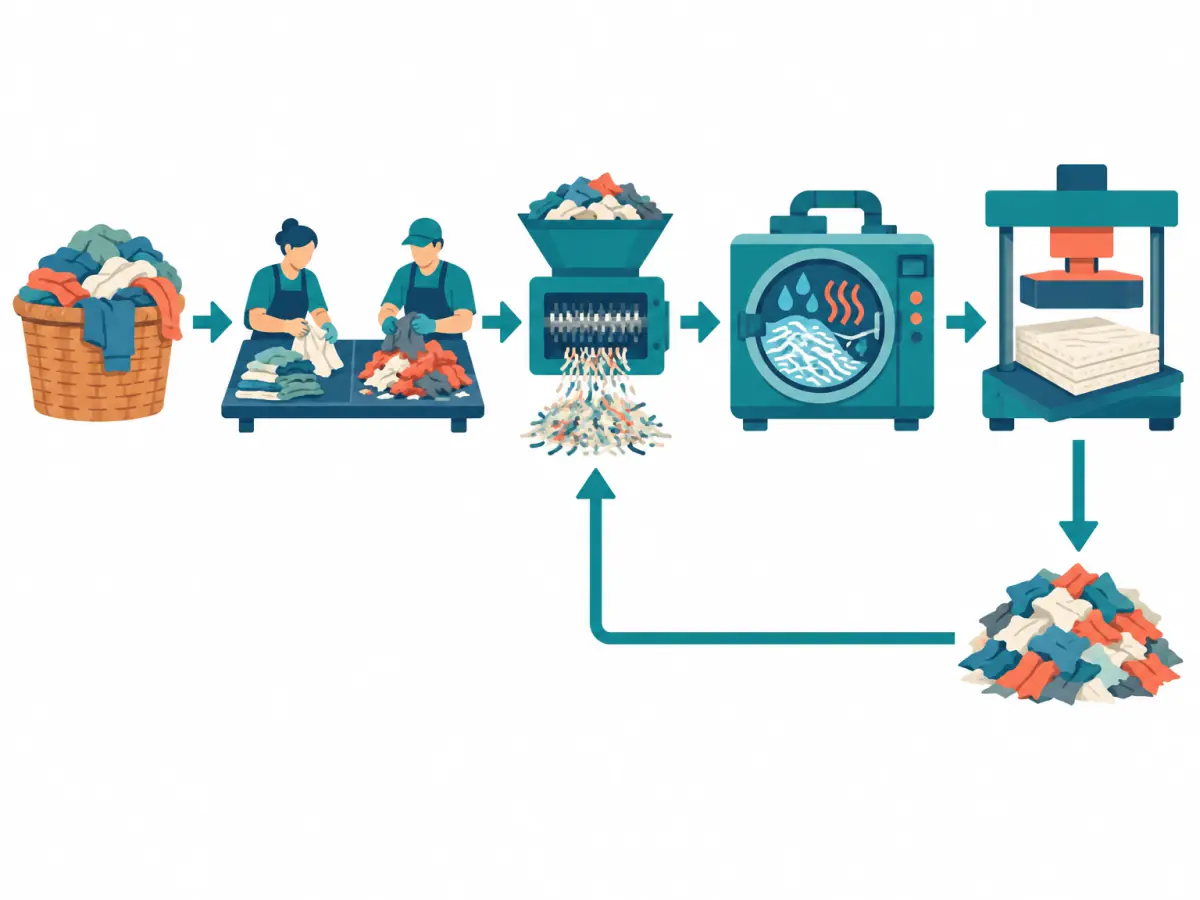
Material recovery cycle

Jak opisać diagram procesu w IELTS Academic Writing Task 1: znajdź wejście, produkt i pętlę powrotną, napisz najpierw overview, pogrupuj etapy i wybierz stronę bierną. Dla kandydatów na poziomie B2 i wyższym.

W IELTS Academic Writing Task 1 diagram procesu pokazuje etapy, a nie liczby. Zacznij od overview, które mówi, co wchodzi do procesu, co z niego wychodzi i czy jakaś część wraca. Potem opisz wszystkie etapy po kolei, w dwóch pogrupowanych akapitach, głównie w stronie biernej: liczy się materiał, a nie to, kto go obrabia. Nie dodawaj przyczyn ani opinii, których diagram nie pokazuje. Ten poradnik jest dla kandydatów IELTS Academic z angielskim na poziomie wyższym średnim (B2) lub wyższym.

Dla kogo jest ten artykuł?

  • Kandydaci, którzy radzą sobie z wykresami i tabelami, ale blokują się, gdy Task 1 pokazuje etapy zamiast liczb.
  • Osoby, których opisy procesów brzmią jak lista etykiet, z “then” przed każdym krokiem.
  • Osoby, które bez powodu przeskakują między stroną czynną a bierną albo łączą strzałkę powrotną z niewłaściwym etapem.
  • Za wcześnie: jeśli overview do Task 1 to dla ciebie nowość, zacznij od poradnika o wykresie liniowym (linki poniżej), który ćwiczy ten sam nawyk na liczbach.
  • Za łatwo: jeśli twoje opisy procesów są już dokładne, przejdź do akapitów argumentacyjnych w Writing Task 2 (linki poniżej).

Otwórz przykładowe strony

Otwórz przykładowe strony

Karty ze słowami

active versus passive focus

Choose active for the agent and passive for the receiver or stage.

Workers sort the glass. The glass is sorted by colour.

passive across tenses

Build the passive with the correct form of be plus a past participle.

The leaves are dried; the old shed was removed.

by-agent: include or omit

Name the agent only when it adds useful information.

The samples are sealed. They are checked by an independent technician.

passive infinitive and gerund

Use to be done or being done when the action receiver stays in focus.

The fibre needs to be washed before being pressed.

Przykładowa rozmowa

What belongs in the overview?

Used cotton is prepared and transformed into insulation panels, while offcuts are returned to an earlier stage.

The overview states input, product and cyclic feature.

  • is prepared
  • is transformed
  • are returned

Konstrukcja zdania

Which focus fits the diagram?

The selected cloth is shredded, then the fibre is washed and dried before being pressed into panels.

The passive keeps the material and stages in focus.

  • is shredded
  • is washed and dried
  • being pressed

Więcej ćwiczeń

Follow the complete cycle

Material recovery cycle

What belongs in the overview?

Used cotton is prepared and transformed into insulation panels, while offcuts are returned to an earlier stage.

The overview states input, product and cyclic feature.

  • is prepared
  • is transformed
  • are returned

Cotton recovery stages

  1. Used cotton cloth is collected
  2. Cloth is sorted by fibre condition
  3. Suitable cloth is shredded
  4. Fibre is washed and dried
  5. Fibre is pressed into insulation panels
  6. Offcuts return to shredding

Structure controls

  • Start: collection
  • Main transformation: shredding → washing/drying → pressing
  • End product: insulation panels
  • Cycle: the return arrow takes offcuts back to the shredder (stage 3)

Check the evidence

Material recovery cycle

Cotton recovery stages: 1 Used cotton cloth is collected; 2 Cloth is sorted by fibre condition; 3 Suitable cloth is shredded; 4 Fibre is washed and dried; 5 Fibre is pressed into insulation panels; 6 Offcuts return to shredding

Structure controls: Start: collection; Main transformation: shredding → washing/drying → pressing; End product: insulation panels; Cycle: offcuts return to stage 3

Cotton recovery stages

  1. Used cotton cloth is collected
  2. Cloth is sorted by fibre condition
  3. Suitable cloth is shredded
  4. Fibre is washed and dried
  5. Fibre is pressed into insulation panels
  6. Offcuts return to shredding

Structure controls

  • Start: collection
  • Main transformation: shredding → washing/drying → pressing
  • End product: insulation panels
  • Cycle: offcuts return to stage 3
  1. What is the process input?

    Pokaż odpowiedź i wyjaśnienie

    used cotton cloth

    Collection begins with used cotton cloth.

  2. Which stage directly precedes pressing?

    Pokaż odpowiedź i wyjaśnienie

    washing and drying

    The visible sequence puts washing and drying before pressing.

  3. What makes the process partly cyclical?

    Pokaż odpowiedź i wyjaśnienie

    Offcuts return to shredding.

    The return arrow connects offcuts to stage 3.

Describe Process Stages: transfer

Material recovery cycle

Cotton recovery stages

  1. Used cotton cloth is collected
  2. Cloth is sorted by fibre condition
  3. Suitable cloth is shredded
  4. Fibre is washed and dried
  5. Fibre is pressed into insulation panels
  6. Offcuts return to shredding

Structure controls

  • Start: collection
  • Main transformation: shredding → washing/drying → pressing
  • End product: insulation panels
  • Cycle: offcuts return to stage 3

Build connected process prose

Collection staff receive the cloth. Workers inspect it and remove unsuitable material. Machines shred the selected cloth. A closed system washes and dries the fibre. A press shapes it into panels. Staff return offcuts to the shredder.

Which focus fits the diagram?

The selected cloth is shredded, then the fibre is washed and dried before being pressed into panels.

The passive keeps the material and stages in focus.

  • is shredded
  • is washed and dried
  • being pressed

Cotton recovery stages

  1. Used cotton cloth is collected
  2. Cloth is sorted by fibre condition
  3. Suitable cloth is shredded
  4. Fibre is washed and dried
  5. Fibre is pressed into insulation panels
  6. Offcuts return to shredding

Structure controls

  • Start: collection
  • Main transformation: shredding → washing/drying → pressing
  • End product: insulation panels
  • Cycle: offcuts return to stage 3

Check the evidence

Collection staff receive the cloth. Workers inspect it and remove unsuitable material. Machines shred the selected cloth. A closed system washes and dries the fibre. A press shapes it into panels. Staff return offcuts to the shredder.

Cotton recovery stages

  1. Used cotton cloth is collected
  2. Cloth is sorted by fibre condition
  3. Suitable cloth is shredded
  4. Fibre is washed and dried
  5. Fibre is pressed into insulation panels
  6. Offcuts return to shredding

Structure controls

  • Start: collection
  • Main transformation: shredding → washing/drying → pressing
  • End product: insulation panels
  • Cycle: offcuts return to stage 3
  1. Which sentence keeps the material in focus?

    Pokaż odpowiedź i wyjaśnienie

    The selected cloth is shredded.

    The passive subject is the material shown in the process.

  2. When is a by-agent useful?

    Pokaż odpowiedź i wyjaśnienie

    when the agent adds relevant information

    A by-agent is omitted when it is unknown or unimportant.

  3. Which sequence is accurate?

    Pokaż odpowiedź i wyjaśnienie

    Fibre is washed and dried before pressing.

    That order matches stages 4 and 5.

Control Passive Focus and Sequence: transfer

Material recovery cycle

Cotton recovery stages

  1. Used cotton cloth is collected
  2. Cloth is sorted by fibre condition
  3. Suitable cloth is shredded
  4. Fibre is washed and dried
  5. Fibre is pressed into insulation panels
  6. Offcuts return to shredding

Structure controls

  • Start: collection
  • Main transformation: shredding → washing/drying → pressing
  • End product: insulation panels
  • Cycle: offcuts return to stage 3
Poznaj ten rozdział
Jak chcesz się uczyć?
Masz już konto?

Darmowe konto otwiera na stałe jeden rozdział.

Czego wymaga diagram procesu

Diagram procesu pokazuje, jak coś powstaje lub się zmienia, etap po etapie. Streść go w co najmniej 150 słowach, bez opinii, w czterech częściach:

  • Wstęp: co pokazuje diagram, własnymi słowami.
  • Overview: wejście, produkt końcowy i ewentualna pętla.
  • Akapit szczegółowy 1: pierwsza grupa etapów.
  • Akapit szczegółowy 2: pozostałe etapy i pętla powrotna.

Przeczytaj diagram: wejście, produkt, punkt powrotu

Diagram ćwiczeniowy na tej stronie pokazuje odzysk bawełny. Zanim zaczniesz pisać, znajdź wejście (używana tkanina bawełniana), produkt końcowy (panele izolacyjne) i miejsce, w którym kończy się strzałka powrotna: przy rozdrabnianiu, czyli etapie 3, a nie przy zbiórce.

Diagram nie podaje przyczyn, czasu ani ilości, więc twój opis też ich nie podaje. Oto jego etykiety:

  • 1. “Used cotton cloth is collected”
  • 2. “Cloth is sorted by fibre condition”
  • 3. “Suitable cloth is shredded”
  • 4. “Fibre is washed and dried”
  • 5. “Fibre is pressed into insulation panels”
  • 6. “Offcuts return to shredding”

Najpierw overview

Kryteria oceny Task 1 mówią o jasnym overview głównych trendów, różnic lub etapów. W procesie oznacza to wejście, produkt i pętlę, bez maszyn i drobnych kroków.

Nagrany przykład na tej stronie pyta “What belongs in the overview?” i odpowiada “Used cotton is prepared and transformed into insulation panels, while offcuts are returned to an earlier stage.”

Co sprawia, że ten proces jest częściowo cykliczny?

Pogrupuj etapy w dwa akapity

Podziel proces tam, gdzie materiał zmienia się najbardziej: przygotowanie przed rozdrabnianiem i przetwarzanie, które się od niego zaczyna.

  • Przygotowanie: “First, used cotton cloth is collected and sorted according to the condition of its fibres.”
  • Przetwarzanie: “Suitable cloth is then shredded, after which the fibre is washed and dried before being pressed into insulation panels.”
  • Pętla: “Any offcuts are returned to the shredding stage.”
  • Sześć zdań z jednym czasownikiem brzmi jak lista; dwa lub trzy czasowniki w zdaniu brzmią jak raport.

Strona bierna czy czynna: wybierz, na czym się skupiasz

Opis procesu dotyczy materiału, więc to materiał jest zwykle podmiotem: “Workers sort the glass. The glass is sorted by colour.” Strona bierna utrzymuje uwagę na szkle (glass). Każda karta na tej stronie ma nagranie.

  • Budowa: be + imiesłów bierny (past participle), a czas wyraża be: “The leaves are dried; the old shed was removed.” Do procesu, który się powtarza, użyj present simple. Po polsku naturalne jest zdanie bezosobowe, np. “tkaninę się sortuje” albo “tkaninę posortowano”; angielskie zdanie potrzebuje podmiotu, więc napisz “The cloth is sorted”.
  • Wykonawca: dodaj “by …” tylko wtedy, gdy wnosi informację. W zdaniu “The samples are sealed. They are checked by an independent technician.” “by an independent technician” ją wnosi; “by workers” by jej nie wniosło.
  • Po czasownikach i przyimkach: “The fibre needs to be washed before being pressed.” zawiera bezokolicznik w stronie biernej i gerundium w stronie biernej. “Needs washing” też jest poprawne.
  • Procesy naturalne często zostają w stronie czynnej: “the eggs hatch”. Czasownik użyty bez dopełnienia nie ma strony biernej.
Poznaj ten rozdział po swojemu

Słowa, które pilnują kolejności

Łączniki muszą zgadzać się ze strzałkami. Drugi nagrany przykład pyta “Which focus fits the diagram?” i odpowiada “The selected cloth is shredded, then the fibre is washed and dried before being pressed into panels.”

  • “First”, “next”, “after that”, “finally”: zmieniaj je, ale nie piętrz.
  • “Once” + present perfect w stronie biernej: “Once the fibre has been dried, it is pressed into panels.”
  • “before” lub “after” + “being” + imiesłów bierny: “after being sorted”.
  • “Fibre is washed and dried before pressing” jest poprawne; “Panels are pressed before washing” nie jest.

Błędy, które kosztują punkty

Sprawdź każdy ćwiczeniowy opis pod kątem tych błędów:

  • Overview bez wejścia, produktu lub pętli.
  • Strzałka powrotna połączona z niewłaściwym etapem.
  • Strona bierna na siłę od czasownika, który jej nie ma: “is consisted of”, “was happened”.
  • Brakujące “be”: “The cloth sorted by condition”.
  • Przyczyny, których diagram nie podaje: “to protect the environment”.

Egzaminacyjna rutyna na 20 minut

Trzy razy w tygodniu, jeden diagram, z zegarem:

  • 3 minuty: zaznacz wejście, produkt, każdą strzałkę i punkt powrotu.
  • 2 minuty: wybierz dwie grupy etapów i napisz overview.
  • 12 minut: wstęp, overview, dwa akapity szczegółowe.
  • 3 minuty: sprawdź kolejność etapów, każde “be” i pisownię form takich jak “shredded” i “dried”.
  • Potem opowiedz proces jeszcze raz na głos, wymieniając tylko tych wykonawców, którzy mają znaczenie.

Co dalej

Mapy to kolejny element Task 1 bez danych liczbowych do opisania: dwa plany jednego miejsca, opisywane stroną bierną w czasie przeszłym, np. “was converted into” i “was replaced by”. Potem Writing Task 2 wymaga argumentów, które nie twierdzą więcej, niż pozwalają dowody.

Najczęstsze pytania

Czy w diagramie procesu na IELTS używać strony biernej?

Przeważnie tak, w procesach prowadzonych przez ludzi, gdzie liczy się materiał, a nie to, kto go obrabia. Cykle naturalne zwykle opisuje się w stronie czynnej.

Czy trzeba opisać każdy etap diagramu procesu na IELTS?

Tak, po kolei i w grupach, w akapitach szczegółowych. Overview wymienia tylko wejście, produkt i ewentualną pętlę.

Ile słów powinna mieć odpowiedź do diagramu procesu w IELTS Task 1?

Co najmniej 150, w około 20 minut. Task 2 liczy się podwójnie, więc chroń czas na wypracowanie.

Flalingo nie jest powiązane z organizacjami prowadzącymi IELTS ani przez nie rekomendowane.

Poznaj ten rozdział
Jak chcesz się uczyć?
Masz już konto?

Darmowe konto otwiera na stałe jeden rozdział.

Co dalej?

Ćwicz dalej z Flai

Flai to aplikacja Flalingo do ćwiczenia mówienia z AI. Oferuje rozmowy głosowe, korekty i raporty z lekcji, które pomagają ukierunkować naukę.

Nauka z lektorem na żywo

Na lekcjach Flalingo ćwiczysz takie rozdziały jeden na jeden z lektorem na żywo.