Przejdź do treści
Flalingo

Ćwiczenia z angielskiego

Jak wskazać drogę po angielsku: e-mail z A2 Key, w którym piszesz koledze, gdzie się spotkać (11–15 lat)

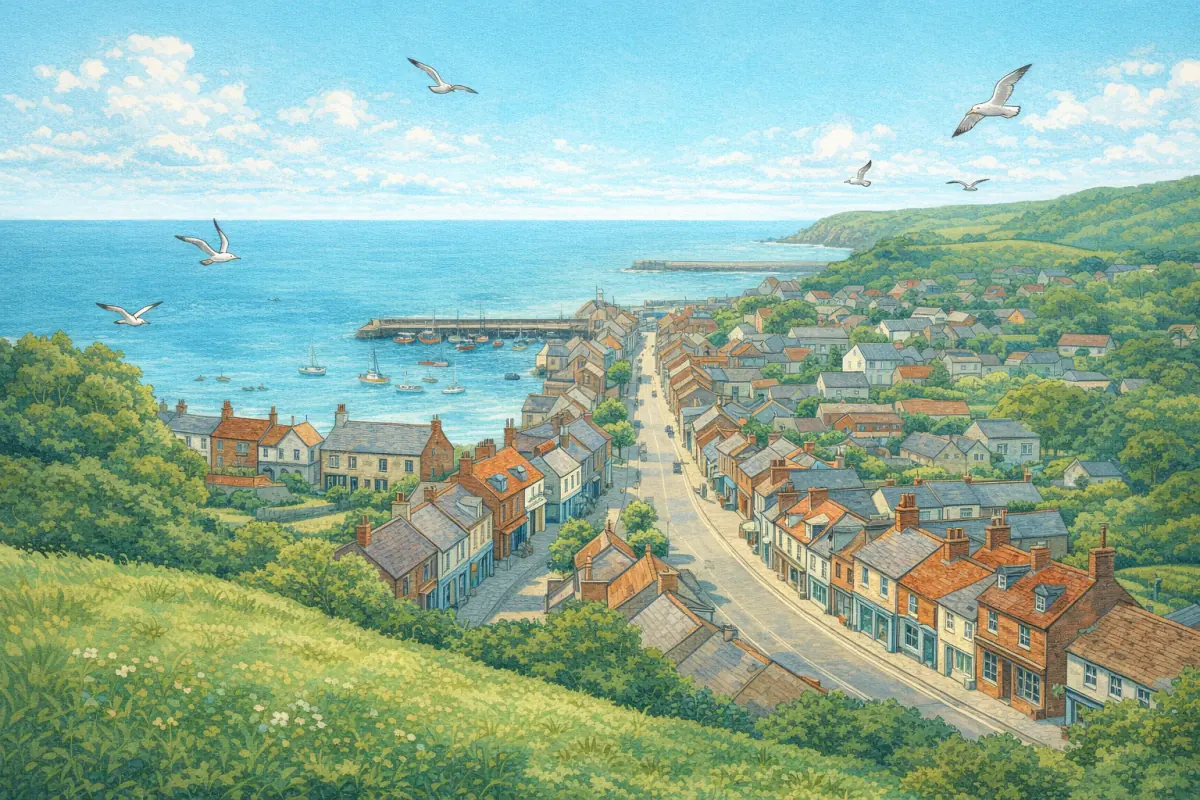
Kingsbay from the hill: the main street goes down to the harbour and the sea.

Krótki e-mail o tym, gdzie się spotkać, jak dojść i o której: wskazówki z “go”, “turn” i “walk”, “next to” i “opposite”, przykładowy e-mail i typowe błędy. Dla A2 Key i A2 Key for Schools, 11–15 lat.

Kiedy piszesz koledze po angielsku, gdzie się spotkać, podaj trzy rzeczy w tej kolejności: miejsce (“Let’s meet outside the cinema”), drogę (“Take the bus to the station, then turn left”) i godzinę (“See you at 2.30!”). Każdą wskazówkę zaczynaj od czasownika, a na końcu dodaj zwrot, który ustala miejsce, na przykład “opposite the café”. W A2 Key i A2 Key for Schools taki tekst sprawdza część Reading and Writing, Part 6: krótki e-mail na 25 słów lub więcej. Ten poradnik jest dla uczniów na poziomie A2 w wieku około 11–15 lat.

Dla kogo jest ten artykuł?

  • Uczniowie w wieku około 11–15 lat, którzy przygotowują się do A2 Key lub A2 Key for Schools.
  • Uczniowie, którzy znają słowa takie jak “bank” i “station”, ale zamierają, kiedy ktoś pyta o drogę.
  • Dla rodziców: możesz pomóc bez dobrej znajomości angielskiego; poproś dziecko, żeby po angielsku poprowadziło cię spod drzwi domu do pobliskiego sklepu, a potem sprawdźcie razem trasę na mapie.
  • Za wcześnie: jeśli krótka wiadomość na 30–40 słów to dla ciebie wciąż nowość, zacznij od poradnika o ogłoszeniu “for sale” (A2).
  • Za łatwo: jeśli trasy i krótkie e-maile przychodzą ci już łatwo, przejdź na B1, na przykład do opowiadania z podanym początkiem.

Otwórz przykładowe strony

Otwórz przykładowe strony

Karty ze słowami

turn

to start to go left or right

Turn right at the traffic lights for the police station.

left

the opposite of right

Turn left into Harbour Road.

right

the opposite of left

The bank is on your right.

straight on

don't turn; keep going the same way

Go straight on to the traffic lights.

past

go by a place without stopping

Walk past the police station.

along

from one end of a street or road to the other end

Walk along King Street.

across

from one side to the other side

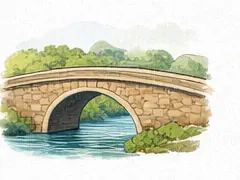
Go across the bridge.

near

not far

The museum is near the café.

Rozmowa

Narrator Why was the microphone box empty? The shop sent the microphone in a second parcel, and that parcel went to the wrong address.

Kai It was my mistake. I typed Harbour Road, not Harbour Park!

Amara So where is it now? Harbour Road is really long.

Zara The app says the driver delivered it last Saturday. That was a week ago!

Narrator "Ask the driver," said the woman at the post office. "He always has lunch at the bus station on Saturdays."

Theo The bus station? Easy. Turn right and walk straight on to the top of King Street.

Zara Kai, film everything on the way. This can be our Young Person's Guide to Kingsbay!

Kai Film the town? Sure. But I'm staying behind the camera.

Konstrukcja zdania

Example email

Hi Jonah, Let's meet at the harbour café on Saturday. Take the bus to the bus station, then walk along King Street and turn left at the traffic lights. The café is on the corner. See you at 11.00! Zara

The example has 40 words and says all three things: where (the harbour café), how (bus, walk, turn left) and what time (11.00).

  • Hi Jonah,
  • Let's meet at ...
  • Take the bus to ...
  • turn left at ...
  • See you at ...!

Więcej ćwiczeń

The town plan

Kingsbay from the hill: the main street goes down to the harbour and the sea.

Walk down King Street from the bus station to the harbour.

On your left, you pass the post office, then Market Square, then the hotel.

On your right, you pass the bank, then the library, then the car park.

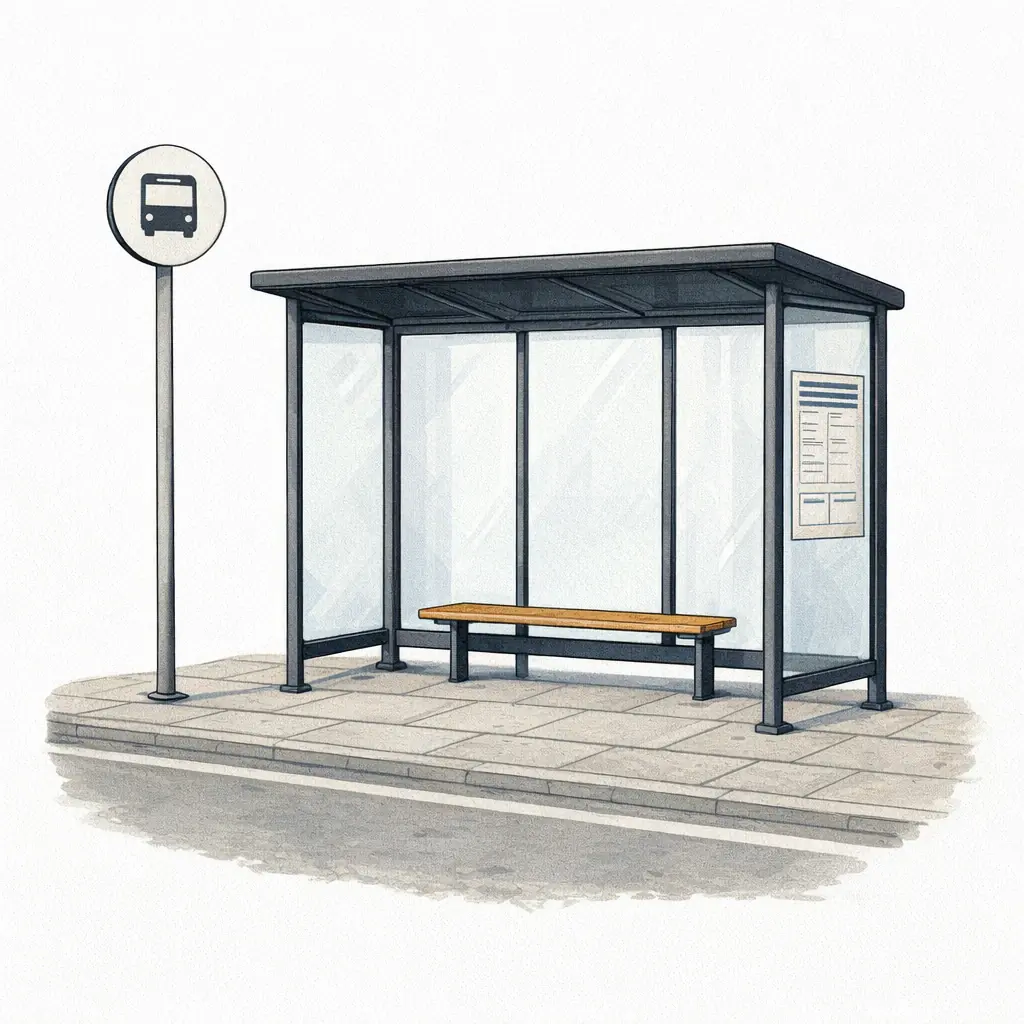
The bank is opposite the post office. The library is opposite Market Square. The car park is opposite the hotel. There is a bus stop outside the library.

At the end of King Street there are traffic lights. Here King Street meets Harbour Road.

Turn left into Harbour Road: the harbour café is on the corner, and the museum is next to the café.

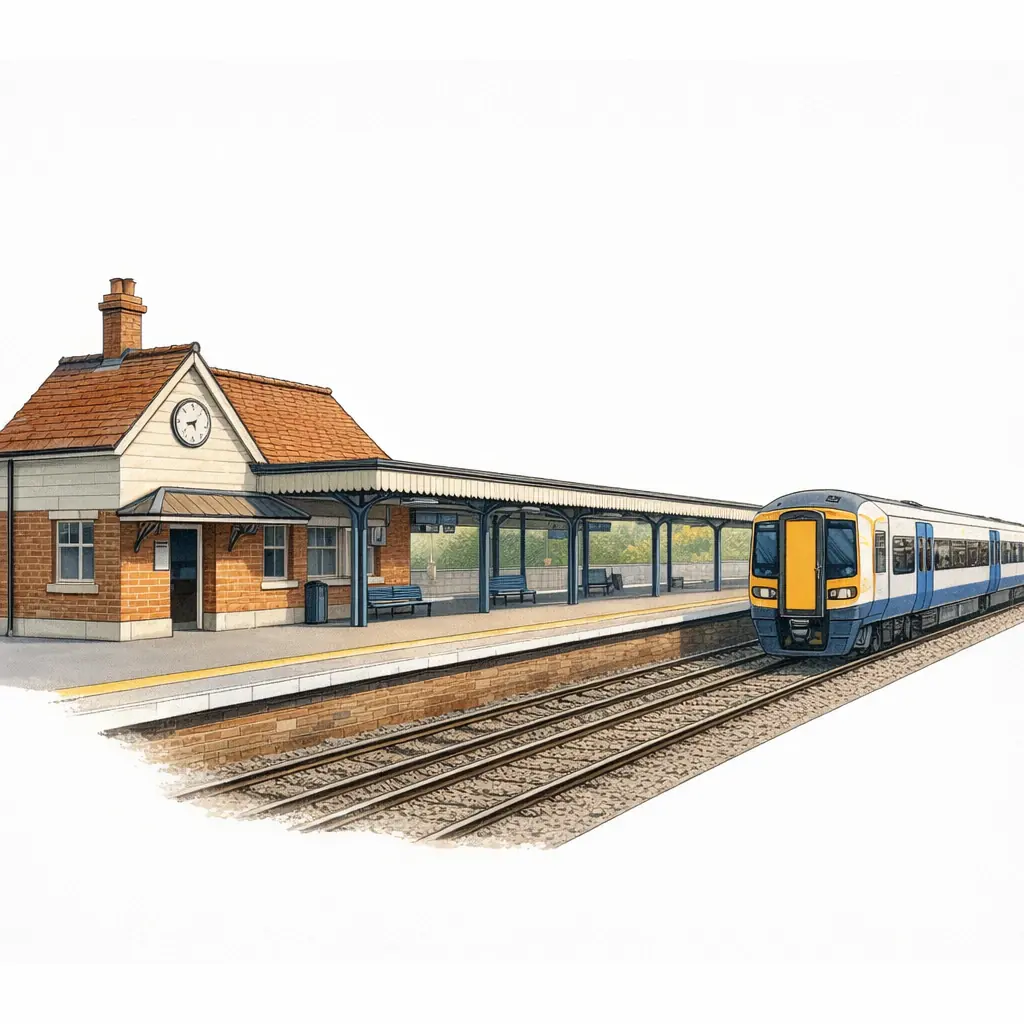
Turn right into Harbour Road: the police station is on the corner. Walk past it and go across the bridge. After the bridge, the train station is on your left and the hospital is on your right.

street

a road in a town, with houses or shops

King Street goes down to the harbour.

road

a way for cars and buses between places

Harbour Road goes along the harbour.

squaresquare

an open place in a town, with buildings round it

Market Square is on the left of King Street.

corner

the place where two streets meet

The café is on the corner of Harbour Road.

bridgebridge

you walk or drive over it to cross a river

Theo filmed the boats from the bridge.

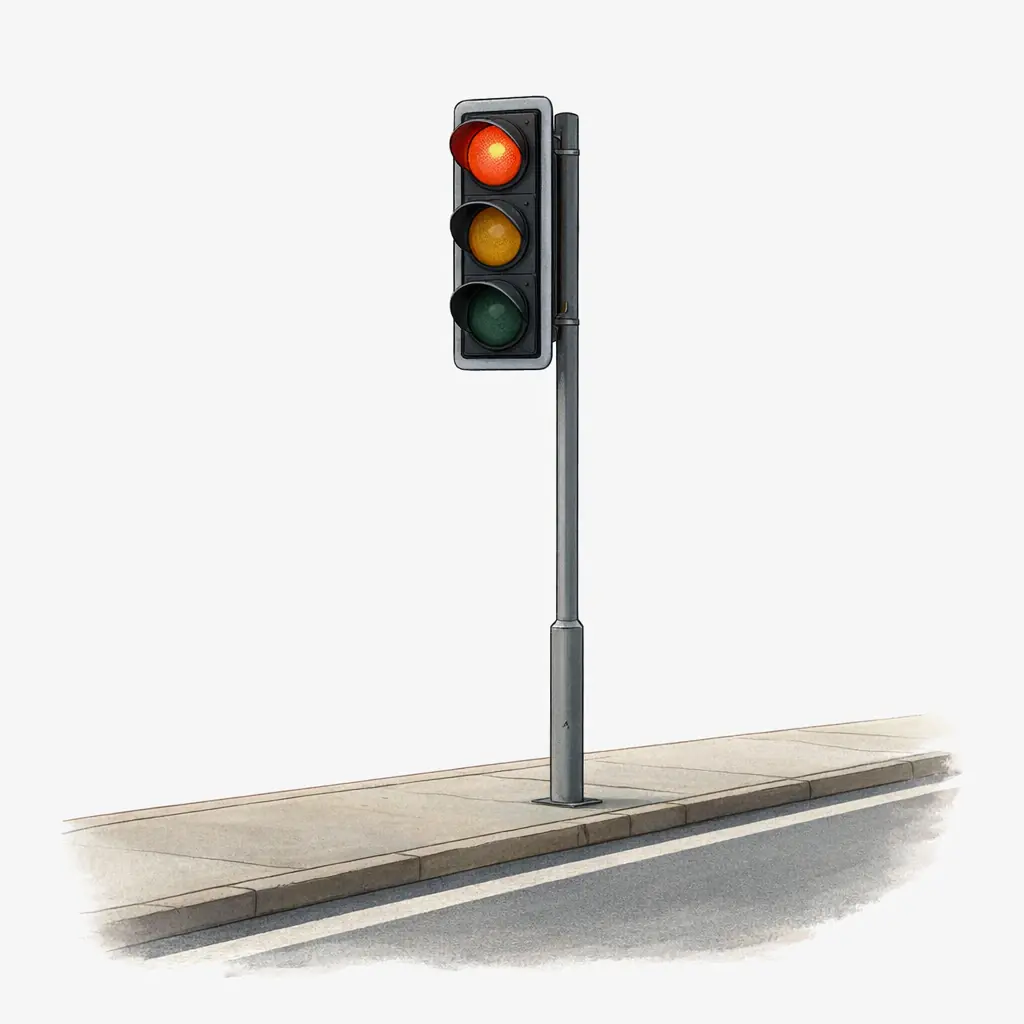
traffic lighttraffic light

red, yellow and green lights that tell cars when to stop and go

Turn left at the traffic lights.

bus stopbus stop

a place in the street where the bus stops for people

There is a bus stop outside the library.

stationstation

a building where trains stop; people also say train station

The train station is after the bridge.

The direction game

Kingsbay from the hill: the main street goes down to the harbour and the sea.

Walk down King Street from the bus station to the harbour.

On your left, you pass the post office, then Market Square, then the hotel.

On your right, you pass the bank, then the library, then the car park.

The bank is opposite the post office. The library is opposite Market Square. The car park is opposite the hotel. There is a bus stop outside the library.

At the end of King Street there are traffic lights. Here King Street meets Harbour Road.

Turn left into Harbour Road: the harbour café is on the corner, and the museum is next to the café.

Turn right into Harbour Road: the police station is on the corner. Walk past it and go across the bridge. After the bridge, the train station is on your left and the hospital is on your right.

turn

to start to go left or right

Turn right at the traffic lights for the police station.

left

the opposite of right

Turn left into Harbour Road.

right

the opposite of left

The bank is on your right.

straight on

don't turn; keep going the same way

Go straight on to the traffic lights.

past

go by a place without stopping

Walk past the police station.

along

from one end of a street or road to the other end

Walk along King Street.

across

from one side to the other side

Go across the bridge.

near

not far

The museum is near the café.

Excuse me, how do I get to the museum?

Go straight on along King Street. Turn left at the traffic lights. The museum is next to the café.

Start each direction with a verb: Go, Turn, Walk. Then say where the place is.

  • Go straight on.
  • Turn left / right at ...
  • Walk past ...
  • Go across ...
  • It's on your left / right.
  • It's next to / opposite ...

Plan your email

Your English friend Jonah is visiting Kingsbay on Saturday. You want to meet in town.

Write an email to Jonah. In your email:

• say where to meet

• say how to get there

• say what time to meet.

Write 25 words or more.

What three things must you say?

Where to meet, how to get there and what time to meet.

In the exam you get marks for all three things. Plan each one before you write.

  • where
  • how
  • what time
  • 25 words or more

1 Where to meet

  • Let's meet at ...
  • Meet me outside ...

2 How to get there

  • Take the bus to ...
  • Walk along ... and turn left / right at ...
  • It's next to / opposite ...

3 What time

  • See you at 11.00!
  • Let's meet at half past ten.
Poznaj ten rozdział
Jak chcesz się uczyć?

E-mail o spotkaniu w A2 Key

W Part 6 części Reading and Writing dostajesz krótką sytuację i trzy punkty, które musisz ująć w 25 słowach lub więcej. Oto nasze własne zadanie w tym samym stylu:

  • “Your English friend Alex is visiting your town on Sunday. Write an email to Alex.”
  • “Say where to meet, how to get there and what time to meet. Write 25 words or more.”

Gdzie: zwroty, które ustalają miejsce

Wybierz miejsce, które łatwo znaleźć, i ustal je zwrotem, który pozostaje prawdziwy bez względu na to, skąd się patrzy. Pamiętaj: “naprzeciwko” to “opposite”, a “przed” to “in front of”.

  • Miejsca: bus station, train station, post office, bank, library, museum, police station, car park, bridge
  • next to (obok): “The museum is next to the café.”
  • opposite (naprzeciwko, po drugiej stronie ulicy): “The bank is opposite the post office.”
  • on the corner of (na rogu): “The café is on the corner of Park Street and Mill Road.”
  • outside, near (przed budynkiem, blisko): “Meet me outside the station.” “It’s near the bridge.”

Jak: wskazówki zaczynają się od czasownika

Najpierw podaj środek transportu, potem jeden krok w jednym zdaniu, po kolei, zawsze od czasownika. Uważaj na przyimki: “na rogu” to “on the corner”, ale “na światłach” to “at the traffic lights”.

Lewo i prawo zależą od tego, w którą stronę patrzysz, więc e-mail potrzebuje punktu startowego, który znacie oboje: “From the station, …”. W tym nagraniu wszyscy są na poczcie, więc “Turn right” działa.

  • Transport: “Take the number 5 bus to the station.” “It’s ten minutes on foot.”
  • Go straight on (idź prosto): “Go straight on to the traffic lights.”
  • Turn left / right (skręć w lewo / w prawo): “Turn left at the traffic lights.”
  • Walk along, walk past (idź wzdłuż, przejdź obok): “Walk along Park Street, past the police station.”
  • Go across (przejdź przez): “Go across the bridge.”
  • Zakończ miejscem: “It’s on your left, next to the café.”

Narrator "Ask the driver," said the woman at the post office. "He always has lunch at the bus station on Saturdays."

Friend The bus station? Easy. Turn right and walk straight on to the top of King Street.

Przykładowy e-mail, linijka po linijce

Nasza odpowiedź na zadanie, około 40 słów:

  • “Hi Alex,” → powitanie.
  • “Let’s meet outside the cinema on Sunday.” → punkt 1: gdzie.
  • “Take the number 5 bus to the station. Then walk along Park Street, past the bank.” → punkt 2: jak, od znanego punktu startowego.
  • “The cinema is on your left, opposite the café.” → stały zwrot, który potwierdza miejsce.
  • “See you at 2.30! Jamie” → punkt 3: o której, a potem twoje imię.
Poznaj ten rozdział po swojemu

Kiedy coś pójdzie nie tak: was, were i -ed

Żeby opisać pomyłkę, użyj past simple: “was” z I, he, she i it, “were” z you, we i they, a czasowniki regularne dostają -ed. W pytaniach i przeczeniach jest “did” i podstawowa forma czasownika: “Did you take the bus?” “I didn’t walk.”

Końcówka -ed brzmi jak /t/ w “walked”, /d/ w “played” i /ɪd/ w “waited”: dodatkowa sylaba pojawia się tylko po t lub d. Posłuchaj “was”, “typed” i “delivered”:

Friend 1 It was my mistake. I typed Harbour Road, not Harbour Park!

Friend 2 The app says the driver delivered it last Saturday. That was a week ago!

Typowe błędy i jak je poprawić

Poszukaj ich, kiedy skończysz (przed strzałką jest błąd, po niej poprawka). W polskim nie ma przedimków, więc łatwo zgubić “the”: “Take the bus to the station.” A “pieszo” to “on foot”.

  • “Turn to left.” → “Turn left.”
  • “Turn left in the traffic lights.” → “Turn left at the traffic lights.”
  • “The café is in the corner.” → “The café is on the corner.”
  • “Go across the Park Street.” → “Go across Park Street.”
  • “ten minutes by foot” → “ten minutes on foot”
  • “We was late. I didn’t walked.” → “We were late. I didn’t walk.”
  • “Turn left.” bez punktu startowego → “From the station, turn left.”

Twoja 10-minutowa rutyna

Planuj 2 minuty, pisz 6, sprawdzaj 2. Pobaw się też z mamą lub tatą we wskazywanie drogi: poprowadź rodzica po angielsku spod drzwi domu do pobliskiego miejsca, a potem sprawdźcie trasę na mapie.

  • Zadanie: “A new student wants to watch your football match on Saturday. Write an email: say where it is, how to get there and what time it starts.”
  • Sprawdź: gdzie, jak i o której? Czy każda wskazówka zaczyna się od czasownika? Czy jest 25 słów lub więcej?

Co dalej

W A2 Key Listening, Part 5, łączysz pięć osób lub rzeczy z listą ośmiu opcji, na przykład miejsc. Nie wybieraj pierwszego miejsca, które usłyszysz: “I wanted to go to the museum, but it was closed, so I went to the library.”

Dalej: rozmowa z partnerem o środkach transportu, a potem historyjka w past simple na podstawie trzech obrazków.

Najczęstsze pytania

Jak wskazać drogę po angielsku?

Każdy krok zaczynaj od czasownika (Go, Turn, Walk), podawaj kroki po kolei i zakończ informacją, gdzie jest miejsce: “Turn left at the traffic lights. The café is on your right.”

Czym różni się “opposite” od “in front of”?

“Opposite” to naprzeciwko, po drugiej stronie ulicy: “The bank is opposite the school.” “In front of” to tuż przed, po tej samej stronie: “Meet me in front of the school.”

“On foot” czy “by foot”?

Zwykle mówi się “on foot”: “It’s ten minutes on foot.” Inne środki transportu mają “by” bez “the”: by bus, by train, by bike.

Flalingo nie jest powiązane z Cambridge English, organizatorem egzaminów A2 Key i B1 Preliminary, ani przez tę instytucję rekomendowane.

Poznaj ten rozdział
Jak chcesz się uczyć?

Co dalej?

Lekcje jeden na jeden z lektorem na żywo

We Flalingo nastolatki przerabiają takie rozdziały jeden na jeden z lektorem na żywo, we własnym tempie.

Umów bezpłatną lekcję próbną