

Przejdź do treści
Flalingo

Ćwiczenia z angielskiego

Since i for po angielsku dla dzieci (A2, 10–12 lat): piszemy list o festiwalu

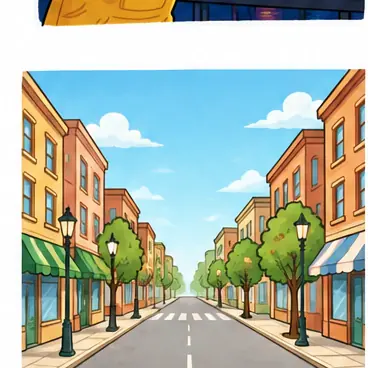
An original travel article scene shows a small riverside harvest night with lantern boats, a shared soup table and musicians using handmade instruments.

Pomóż dziecku mówić po angielsku, jak długo gdzieś jest, z for i since, dzielić się świeżymi wiadomościami z just i already oraz napisać przyjacielski list o festiwalu (A2, 10–12 lat).

For łączymy z długością czasu, a since z momentem początku: “I have been here for two hours.” “I have been here since six.” Oba zdania są w present perfect (have lub has + trzecia forma czasownika), bo wizyta zaczęła się wcześniej i wciąż trwa. Dzieci uczą się też just i already do świeżych wiadomości, past simple, gdy mówią, kiedy coś się stało (“I came last year.”), oraz “had never… before” na pierwszy raz, a potem piszą przyjacielski list o festiwalu. Ten temat na poziomie A2 jest dla dzieci w wieku około 10–12 lat, które już opowiadają o przeszłości w past simple.

Dla kogo jest ten artykuł?

  • Rodzice dzieci, które już opowiadają o przeszłości: dziecko mówi “I went to the park yesterday.” i rozpoznaje formy takie jak seen, been i tried.
  • Dzieci, które lubią jarmarki, targi i festyny albo piszą do kuzyna lub przyjaciela z innego kraju: prawdziwe wyjście daje prawdziwe wiadomości.
  • Rodzice, którzy chcą ćwiczyć w domu: wystarczy dowolne rodzinne wyjście, a karty i wywiad poniżej mają nagranie każdego słowa i zdania.
  • Za wcześnie: jeśli dziecko wciąż myli “I go” i “I went”, najpierw poćwiczcie past simple; present perfect opiera się na tych formach.
  • Za łatwe: jeśli dziecko już poprawnie używa for, since i had never, przejdź do artykułu A2 o opisywaniu kolejnych kroków z first, next i finally (link poniżej).

Otwórz przykładowe strony

Otwórz przykładowe strony

Karty ze słowami

amazingamazing
awfulawful
brightbright
deliciousdelicious
deserteddeserted
disgustingdisgusting
originaloriginal
traditionaltraditional
Have you tried the soup yet?

Yes, I have just tried it.

We have been here since six.
Leo has already seen the lantern boats.
I visited this town last year.
We have been here for two hours.

For gives a duration.

I had never tried it before today.

Before refers to earlier experience.

Rozmowa

Nia I am interviewing Leo at the Lantern Food Walk. How long have you been here?

Leo I have been here for two hours, since six.

Nia Have you visited this festival before?

Leo Yes. I came last year, but I had never tried the bean soup before today.

Nia What have you already seen?

Leo I have already seen the lantern boats, and I have just heard the drums.

Konstrukcja zdania

Have you tried the soup yet?

Yes, I have just tried it.

  • We have been here since six.
  • Leo has already seen the lantern boats.
  • I visited this town last year.

Więcej ćwiczeń

Talk with the grammar

At the riverside harvest night, Nia and Leo eat bean soup while lantern boats float past and musicians play handmade drums.

Nia Have you tried the soup yet?

Leo Yes, I have just tried it.

Leo How long have we been here?

Nia We have been here since six.

Nia Have you seen the lantern boats?

Leo Yes. I saw them ten minutes ago.

Have you tried the soup yet?

Yes, I have just tried it.

  • We have been here since six.
  • Leo has already seen the lantern boats.
  • I visited this town last year.

Lights on the river

An original travel article scene shows a small riverside harvest night with lantern boats, a shared soup table and musicians using handmade instruments.

LIGHTS ON THE RIVER

The town of Bellwater has held a harvest night for twenty years. Families have already placed lanterns in small boats, and musicians have just begun to play handmade drums. The traditional bean soup is mild and delicious. Last year, the old market lane was deserted, so young artists created a bright walking route there. Visitors now follow the lights from the bridge to a shared supper beside the river.

Writer's studio

An original travel article scene shows a small riverside harvest night with lantern boats, a shared soup table and musicians using handmade instruments.

Nia Who will read your text?

Leo My friend Sam will read it.

What will you tell a friend?

Dear Sam, I have been at Bellwater since six. I have already watched the lantern boats, and I have just tasted the soup. The musicians played near the bridge earlier. Would you like to come next year? Love, Nia

  • We have been here since six.
  • Leo has already seen the lantern boats.
  • I visited this town last year.
Poznaj ten rozdział
Jak chcesz się uczyć?

Osiem słów do opisu festiwalu

List o festiwalu potrzebuje lepszych słów niż “nice”, na przykład tych ośmiu poniżej. Uważaj na dwa z nich. Deserted znaczy pusty, bez nikogo, a nie piaszczysty jak pustynia (desert). Original znaczy nowy i inny, jak w “an original idea”. Z mocnymi słowami, takimi jak amazing, awful i disgusting, mówimy “really” albo “absolutely”, a nie “very”.

  • Dobre: amazing (niesamowity); delicious (pyszny, o jedzeniu)
  • Złe: awful (okropny); disgusting (obrzydliwy)
  • To, co widać: bright (jasny, jaskrawy); deserted (opustoszały)
  • Stare lub nowe: traditional (robiony tak samo od lat, tradycyjny); original (nowy i inny)

Jak długo? for i since

Gdy coś zaczęło się w przeszłości i wciąż trwa, angielski używa present perfect: have lub has + trzecia forma czasownika. Po polsku mówimy “Jestem tu od szóstej” i “Jestem tu od dwóch godzin”, w czasie teraźniejszym i z tym samym “od”. Dlatego dzieci często mówią “I am here since six.” albo “since two hours”. Po angielsku długość czasu zawsze idzie z for, a moment początku z since. Szybki test: jeśli odpowiedź pasuje do “How long?”, użyj for; jeśli do “Since when?”, użyj since.

  • for two hours, for three days, for ages
  • since six, since Monday, since breakfast

Nia I am interviewing Leo at the Lantern Food Walk. How long have you been here?

Leo I have been here for two hours, since six.

Świeża wiadomość czy zakończony moment?

Do świeżej wiadomości bez podanego czasu używamy present perfect z just (przed chwilą), already (już) albo yet (na końcu pytań i przeczeń): “Have you tried the soup yet?” Gdy tylko dziecko powie, kiedy coś się stało, przejdź na past simple: “I visited this town last year.” W polskim nie ma odpowiednika present perfect, więc to rozróżnienie może być dla dziecka nowe. Porównaj:

  • Wiadomość bez czasu: “I have tried the soup.”
  • Zakończony moment: “I tried the soup at seven.”
  • Wciąż trwa: “We have been here since six.”

Nia What have you already seen?

Leo I have already seen the lantern boats, and I have just heard the drums.

Pierwszy raz: had never… before

“I had never tried the bean soup before today.” znaczy “Przed dzisiejszym dniem nigdy nie jadłem zupy fasolowej”, czyli dziś był pierwszy raz. Had + trzecia forma (past perfect) patrzy z jakiegoś momentu w przeszłości na wszystko, co było wcześniej. “I have never tried bean soup.” to coś innego: ta osoba wciąż jej nie próbowała. Użyj had never… before, żeby powiedzieć, co było nowe na festynie albo wycieczce:

  • “I had never seen a lantern boat before tonight.”
  • “Had you ever been to a night market before?”

Przymiotniki zakończone na -ous

Wiele angielskich przymiotników to rzeczownik z końcówką -ous, a pisownia tych poniżej trzyma się trzech wzorów. Adventurous opisuje kogoś, kto lubi nowe i ekscytujące rzeczy.

  • Dodaj -ous: danger (niebezpieczeństwo) → dangerous (niebezpieczny), poison (trucizna) → poisonous (trujący), hazard (zagrożenie) → hazardous (ryzykowny)
  • Usuń e: fame (sława) → famous (sławny), adventure (przygoda) → adventurous (lubiący przygody)
  • Zmień y na i: fury (furia) → furious (wściekły)
Poznaj ten rozdział po swojemu

Przyjacielski list o festiwalu

Przyjacielski list ma cztery części: powitanie, wiadomości, zaproszenie i zakończenie. Najpierw dziecko planuje trzy wiadomości: jak długo tam jest, co już zrobiło i jeden zakończony moment. Oto wzór o wymyślonym festiwalu:

“Dear Sam, We have been at the river festival since six. I have already seen the lantern boats, and I have just tried the bean soup. I had never tasted it before today. It was delicious! Would you like to come with us next year? Love, Ada”

Zabawa w domu: reporter na festynie

Podczas następnej wizyty na targu, jarmarku albo rodzinnej imprezie dziecko jest reporterem. Pyta cię: “How long have you been here?”, “What have you already seen?” i “Have you been here before?”, a ty odpowiadasz z for lub since, just lub already; potem zamieńcie się rolami. W domu dziecko zamienia odpowiedzi w list z pięciu zdań do kuzyna. Sprawdź tylko for i since.

Częste błędy i proste poprawki

Na poziomie A2 to normalne. Powtórz zdanie poprawnie i rozmawiajcie dalej.

  • “I am here since six.”: to wciąż trwa, więc “I have been here since six.”
  • “since two hours”: długość czasu idzie z for: “for two hours”.
  • “I have visited it last year.”: zakończony moment wymaga past simple: “I visited it last year.”
  • “I have seen already the boats.”: “I have already seen the boats.”

Co dalej

Następnie dziecko może opisać proces krok po kroku z first, next i finally. Present perfect będzie wracać, na przykład z ever w pytaniach o doświadczenia: “Have you ever tried sushi?”

Najczęstsze pytania

Czym różni się for od since?

For podaje długość czasu (“for two hours”), a since moment początku (“since six”). Oba zwykle występują z present perfect: “We have been here since six.”

Dlaczego “I have visited it last year” to błąd?

Present perfect nie łączy się z zakończonym czasem, takim jak yesterday, last year czy two days ago. Użyj past simple: “I visited it last year.”

Gdzie stawiamy just, already i yet?

Just i already stoją między have a trzecią formą czasownika: “I have just eaten.” Yet stoi na końcu pytań i przeczeń: “Have you finished yet?”

Poznaj ten rozdział
Jak chcesz się uczyć?

Co dalej?

Nauka z lektorem na żywo

Na lekcjach Flalingo dla dzieci Twoje dziecko ćwiczy takie rozdziały jeden na jeden z lektorem na żywo, grając na wspólnym ekranie.

Umów bezpłatną lekcję próbną