Przejdź do treści
Flalingo

Ćwiczenia z angielskiego

Porównywanie po angielsku z dzieckiem (A2, 8–11 lat): “the most comfortable”, better, worse i bajka o myszach

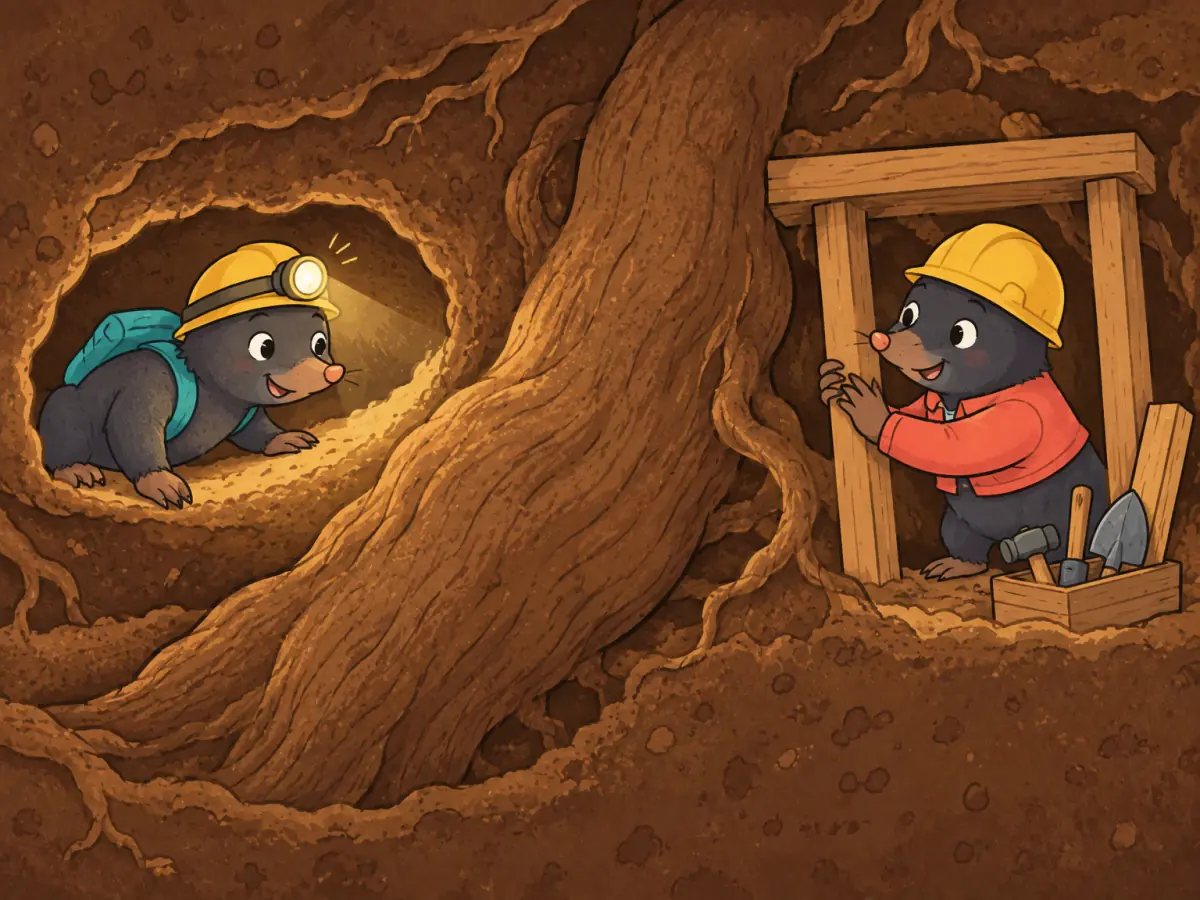
Two moles work safely around an enormous root, using a wooden support and shared tools.

Pomóż dziecku porównywać rzeczy po angielsku (A2, 8–11 lat): cheaper i more expensive, the best i the worst, opowiadanie historii po kolei i czterozdaniowa bajka, w której poprawnie pisze mouse, mice i children.

Żeby porównać dwie rzeczy po angielsku, dzieci dodają -er do krótkich słów, a przed długimi stawiają more: “This chair is cheaper.” “This chair is more expensive.” Żeby wybrać jedną rzecz z grupy, używają the z -est albo z most: “The soft fabric is the most comfortable.” Good i bad są nieregularne: better i the best, worse i the worst. To temat na poziomie A2 dla dzieci w wieku około 8–11 lat, które mówią już “bigger than” i potrafią opowiedzieć krótką historię w czasie przeszłym. Kończy się czterozdaniową bajką z nieregularną liczbą mnogą, taką jak mouse i mice.

Dla kogo jest ten artykuł?

  • Rodzice dzieci, które potrafią porównać dwie rzeczy: dziecko mówi “The dog is bigger than the cat.” i umie opowiedzieć krótką historię w czasie przeszłym.
  • Rodziny, które rozmawiają o prawdziwych wyborach: wybór krzesła, plecaka albo prezentu urodzinowego daje dziecku prawdziwe rzeczy do porównania.
  • Rodzice, którzy szukają krótkiego zadania z pisania:na koniec dziecko pisze czterozdaniową bajkę, a nagranie poniżej odtwarza każdą kwestię krótkiej opowieści.
  • Za wcześnie: jeśli “bigger than” jest jeszcze nowe, najpierw poćwicz porównania na poziomie A1 z zabawkami i zwierzętami: “The elephant is bigger than the mouse.”
  • Za łatwe: jeśli dziecko pisze już krótkie historie z the best i the worst i poprawnie pisze mice i children, przejdź do artykułu A2 o przewidywaniach z will, link poniżej.

Otwórz przykładowe strony

Otwórz przykładowe strony

Karty ze słowami

breakbreak
repairrepair
comfortablecomfortable
hardhard
softsoft
expensiveexpensive
cheapcheap
woodenwooden
metalmetal
modernmodern
Which material is the most comfortable?

The soft fabric is the most comfortable.

This chair is more expensive.
The wooden seat is the cheapest.
This design is better.
That design is worse.
The green model is the best.
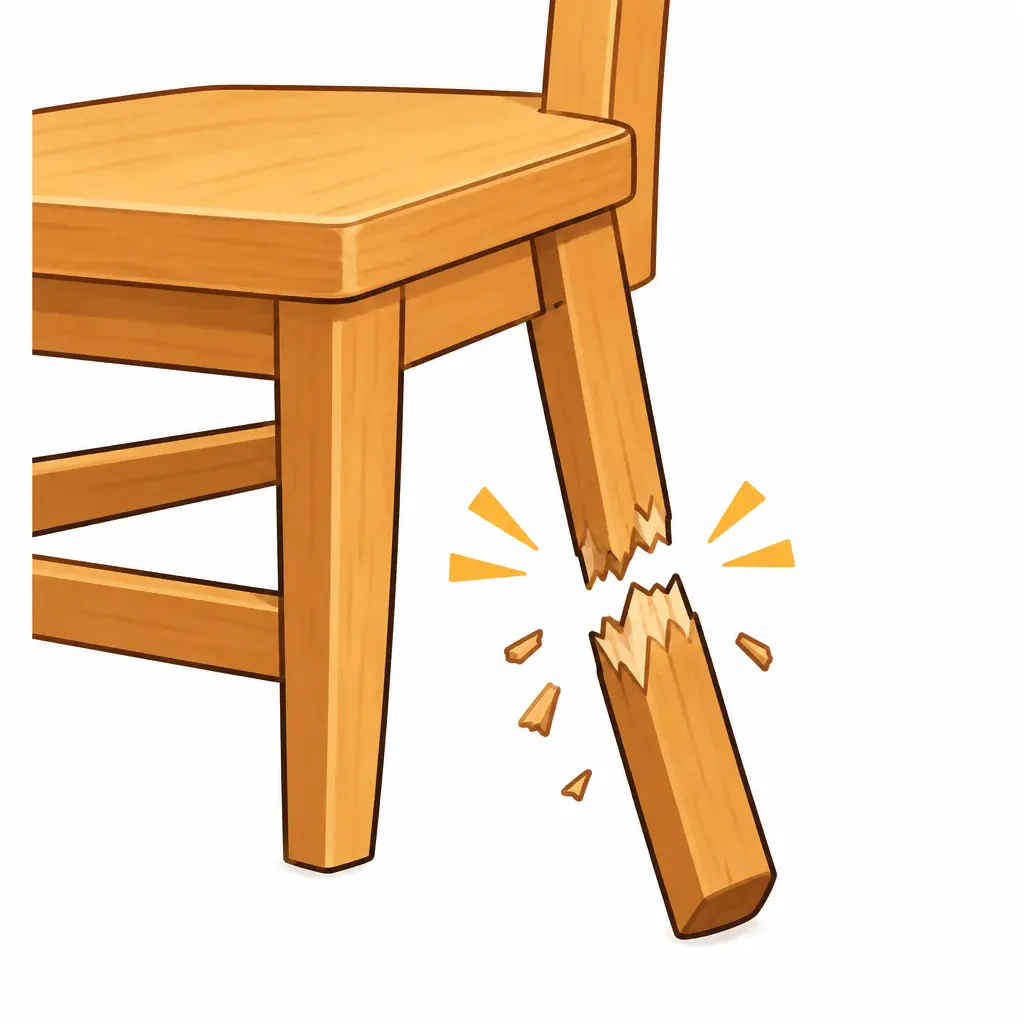
The broken chair is the worst.
enormous

very, very big

prepare

get ready before something happens

worry

feel troubled about a problem

thick

wide from one side to the other

dig

make a hole in the ground

share

let another person use or have some

generous

happy to give or share

lazy

not willing to work or make an effort

Rozmowa

Nia What happened first?

Leo Two moles began to dig a reading room before winter.

Leo What blocked their tunnel?

Nia A big, hard root blocked it.

Nia What did Pip and Sol do next?

Leo Sol made a wooden support, and Pip tested a safer route. Together, they finished a comfortable room.

Konstrukcja zdania

Which material is the most comfortable?

The soft fabric is the most comfortable.

  • This chair is more expensive.
  • The wooden seat is the cheapest.
  • This design is better.
  • That design is worse.
  • The green model is the best.
  • The broken chair is the worst.

Więcej ćwiczeń

Change the information

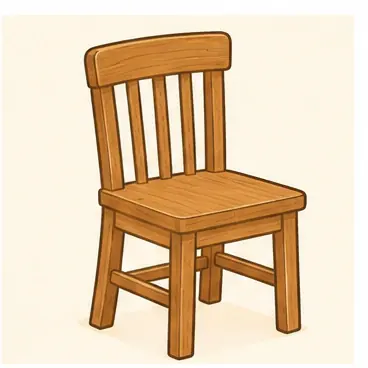
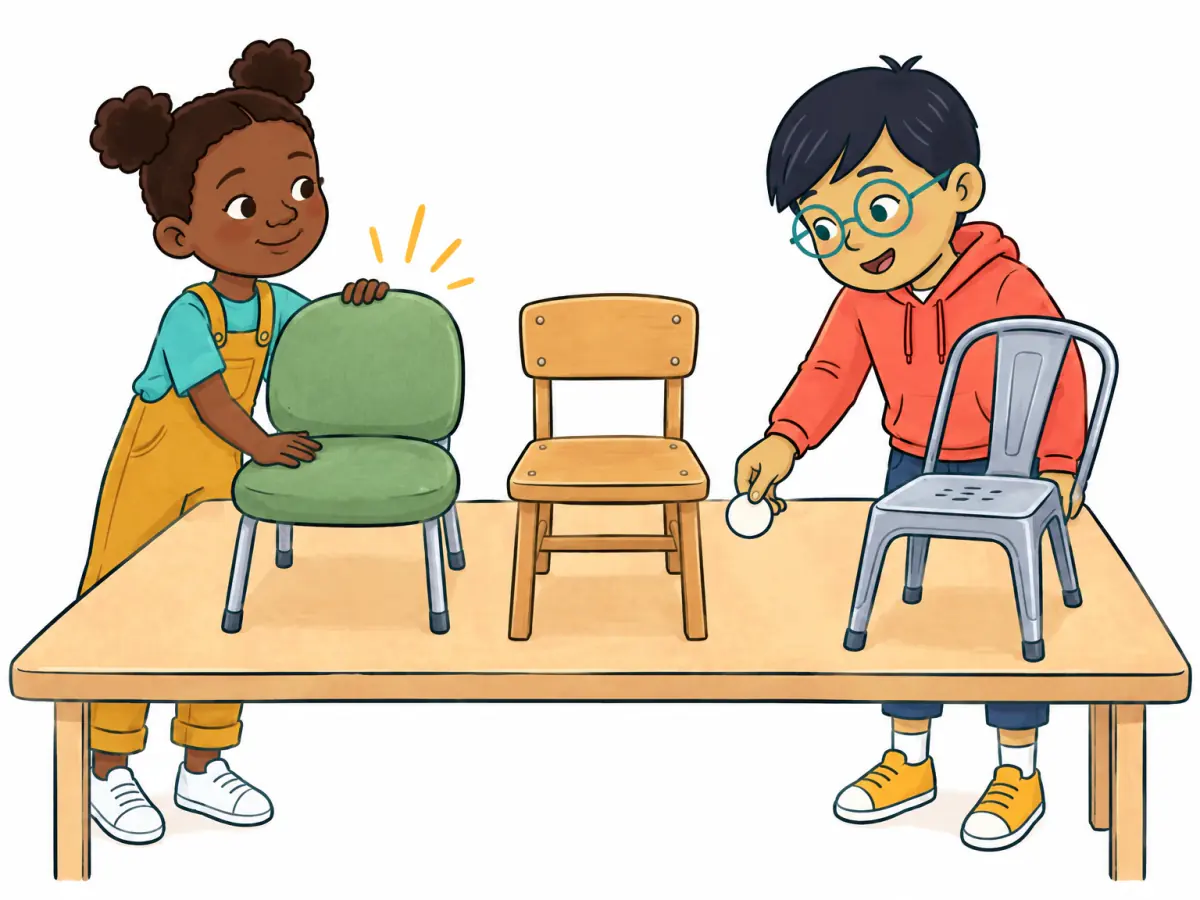
At a design table, three safe seat models are clearly different: a soft green fabric seat, a simple wooden seat and a modern metal chair. Nia chooses the soft green model as the most comfortable while Leo marks the wooden seat as the cheapest with a blank token.

Leo Which material is the most comfortable?

Nia The soft fabric is the most comfortable.

Nia Which choice is the cheapest?

Leo The wooden seat is the cheapest.

Leo Which design is better?

Nia The safe green model is better.

Which material is the most comfortable?

The soft fabric is the most comfortable.

  • This chair is more expensive.
  • The wooden seat is the cheapest.
  • This design is better.
  • That design is worse.
  • The green model is the best.
  • The broken chair is the worst.

The moles and the thick root

Two moles work safely around an enormous root, using a wooden support and shared tools.

THE MOLES AND THE THICK ROOT

Two moles had to dig a reading room before winter. An enormous, thick root blocked their tunnel. Pip began to worry, but Sol prepared a wooden support. Sol was generous and shared every tool. Pip was not lazy; he tested a safer route around the root. Together they finished a comfortable room and learned that the fastest plan is not always the best.

Writer’s studio

At a design table, three safe seat models are clearly different: a soft green fabric seat, a simple wooden seat and a modern metal chair. Nia chooses the soft green model as the most comfortable while Leo marks the wooden seat as the cheapest with a blank token.

Nia What will you write about?

Leo I will write a fable about three mice.

Nia Which plurals will you use?

Leo Mice, feet and children.

How does your fable end?

Three mice carried boxes to the bench. One mouse chose strong wood. The others added soft cushions. “Our safest idea is the best,” they said.

  • This chair is more expensive.
  • The wooden seat is the cheapest.
  • This design is better.
  • That design is worse.
  • The green model is the best.
  • The broken chair is the worst.
Poznaj ten rozdział
Jak chcesz się uczyć?

Słowa opisujące: materiały i ceny

Zanim dziecko zacznie porównywać, potrzebuje słów opisujących, a wiele z nich tworzy pary przeciwieństw. Wooden znaczy “drewniany”, a metal też może opisywać rzeczy: “a metal chair”. Comfortable wymawia się zwykle w trzech sylabach: COMF-ta-ble.

Break i repair to przydatne czasowniki do opowiadań: coś się psuje (break), a ktoś to naprawia (repair, czyli fix).

  • Przeciwieństwa: hard (twardy) – soft (miękki), cheap (tani) – expensive (drogi), modern (nowoczesny) – old (stary)
  • Materiały: wooden (drewniany), metal (metalowy), plastic (plastikowy), fabric (tkanina)

Porównywanie dwóch rzeczy: -er, more, better, worse

Do krótkich słów dodajemy -er: cheaper, harder, softer. To podobne do polskiego: tani, tańszy. Niektóre zmieniają pisownię: big daje bigger, a safe daje safer. Przy dłuższych słowach używamy more: more expensive, more comfortable, more modern, trochę jak polskie “bardziej” przy niektórych przymiotnikach. Żeby powiedzieć, z czym porównujesz, dodaj than: “The metal chair is harder than the sofa.”

Good i bad są nieregularne, tak jak dobry i lepszy, zły i gorszy: “This design is better.” “That design is worse.” Nigdy nie mówi się “more better”.

Wybieranie jednej rzeczy z grupy: the cheapest, the most comfortable, the best

Przy trzech lub więcej rzeczach angielski wybiera jedną za pomocą the i -est albo the i most: the cheapest, the most expensive. Good i bad zmieniają się całkowicie: the best, the worst, jak polskie najlepszy i najgorszy. Polski nie ma przedimków, więc dzieci często pomijają the; tutaj jest ono konieczne.

Ćwicz na prawdziwym pytaniu: “Which material is the most comfortable?” “The soft fabric is the most comfortable.” Potem poproś o powód: “The green model is the best because it is safe.”

  • cheap – cheaper – the cheapest
  • comfortable – more comfortable – the most comfortable
  • good – better – the best
  • bad – worse – the worst

Opowiadanie historii po kolei

Wiele bajek porównuje szybki plan z ostrożnym. W tym nagraniu dwoje dzieci opowiada od nowa bajkę o dwóch kretach o imionach Pip i Sol, które kopią pokój pod ziemią. Pytania pomagają zachować kolejność wydarzeń: What happened first? What did Pip and Sol do next? Posłuchaj czasowników w czasie przeszłym: blocked i tested mają końcówkę -ed, a began i made są nieregularne.

Nia What happened first?

Leo Two moles began to dig a reading room before winter.

Leo What blocked their tunnel?

Nia A big, hard root blocked it.

Nia What did Pip and Sol do next?

Leo Sol made a wooden support, and Pip tested a safer route. Together, they finished a comfortable room.

Pisanie krótkiej bajki z mouse i mice

Bajka to bardzo krótka historia, zwykle o zwierzętach, zakończona nauką, którą po angielsku nazywa się moral (morał). Wystarczą cztery zdania: bohaterowie, problem, co robią i morał. Bohaterowie bywają generous (chętnie się dzielą) albo lazy (nie chcą pracować).

Historie o zwierzętach wymagają nieregularnej liczby mnogiej, bez -s: one mouse, three mice; one foot, two feet; one child, two children. Dzieci, które znają już regułę z -s, chętnie mówią “mouses” albo “childrens”. Przykład do skopiowania i zmienienia:

  • “Three mice needed a warm home before winter.”
  • “The youngest mouse chose a paper bag because it was the cheapest.”
  • “The bag broke in the rain, so they built a wooden house.”
  • “The moral: the cheapest choice is not always the best.”
Poznaj ten rozdział po swojemu

Wskazówka ortograficzna: miękkie c i g

Przed e, i lub y angielskie c prawie zawsze brzmi jak s, a nie jak polskie c: city czyta się “siti”. Przed tymi samymi literami g często brzmi jak polskie dż: cage czyta się mniej więcej “kejdż”. Przed a, o i u obie litery są twarde: cat, game. G ma częste wyjątki, takie jak get, give i girl.

  • Soft c: city, ice, dance, rice
  • Soft g: cage, page, giraffe, stage

Częste błędy i proste poprawki

Na poziomie A2 to normalne: powtórz zdanie poprawnie i grajcie dalej.

  • “This chair is more cheaper.”: -er albo more, nigdy oba naraz: “This chair is cheaper.”
  • “The most good model.”: good jest nieregularne: “the best model”.
  • “This design is worst.”: dla dwóch rzeczy worse, dla całej grupy the worst.
  • “Three mouses ran home.”: “Three mice ran home.” Tak samo children, nie “childrens”, i feet, nie “foots”.
  • “Harder then the sofa.”: przy porównaniu używa się than, nie then.

Zabawa w domu: najlepsze miejsce do siedzenia

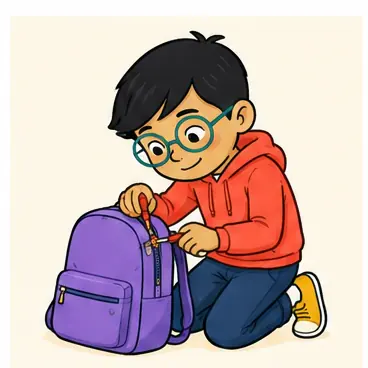
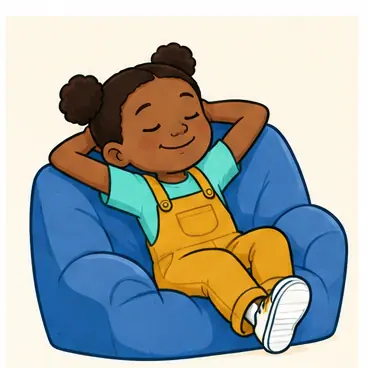
Wybierz w domu trzy miejsca do siedzenia: krzesło kuchenne, taboret i kanapę. Dziecko siada na każdym i porównuje: “The stool is harder than the sofa.” “The sofa is the most comfortable.” Dodaj wymyślone metki z cenami, zapytaj “Which seat is the cheapest?”, a potem celowo powiedz coś źle, żeby dziecko cię poprawiło.

Na koniec ułóżcie czterozdaniową bajkę o tych miejscach: “Two children and three mice wanted the softest seat.”

Co dalej

Gdy porównywanie staje się łatwe, dziecko może odpowiadać na pytania Which…? i Why…? z podaniem powodu. Później przyjdzie czas na przewidywania z will (“I think it will rain.”) i zamienianie notatek w akapit.

Najczęstsze pytania

Mówi się “more cheap” czy “cheaper”?

“Cheaper”. Do słów jednosylabowych dodajemy -er: cheap, cheaper, the cheapest. Przy długich słowach używamy more: more expensive. Dwusylabowe bywają różne: easy, easier, ale modern, more modern.

Czym różni się worse od worst?

“Worse” porównuje dwie rzeczy: “This chair is worse than that one.” “The worst” wybiera jedną z grupy i wymaga the: “The broken chair is the worst.”

Jaka jest liczba mnoga od mouse?

Liczba mnoga to mice: one mouse, three mice. Inne częste nieregularne formy to feet, teeth, children, men i women.

Poznaj ten rozdział
Jak chcesz się uczyć?

Co dalej?

Nauka z lektorem na żywo

Na lekcjach Flalingo dla dzieci Twoje dziecko ćwiczy takie rozdziały jeden na jeden z lektorem na żywo, grając na wspólnym ekranie.

Umów bezpłatną lekcję próbną